Brick and stone are built to last for generations. That is why so many New York homes, from Queens row houses to Brooklyn brownstones, still stand on their original walls. But “built to last” is not the same as “maintenance free.” Mortar wears out, water finds its way in, and every winter the freeze-thaw cycle pries small problems open a little wider.
The tricky part is that masonry fails slowly and quietly. A hairline crack this year becomes a loose brick in three years and a leaning wall in ten. Catching the early signs is the difference between a modest repair and a major rebuild. This guide covers what a masonry wall actually is, the seven warning signs that your brickwork needs help, and when it is time to call professional masonry contractors.
Masonry Warning Signs at a Glance
| Warning Sign | What It Usually Means | How Urgent? |
| Stair-step or wide cracks | Settlement, moisture, or rusting steel | Call soon; urgent if growing |
| Crumbling or recessed mortar | Joints have worn out and need repointing | Plan repair before winter |
| Spalling or flaking bricks | Water trapped in brick is freezing | Call soon |
| White stains or damp inside walls | Water is moving through the masonry | Find the water source now |
| Bulging, bowing, or leaning walls | Structural movement | Urgent; keep people clear |
| Chimney cracks, gaps, or lean | Weathering at the most exposed masonry | Urgent if leaning or loose |
| Cracked or bulging stucco | Water behind the finish | Repair before it spreads |
What Is a Masonry Wall?
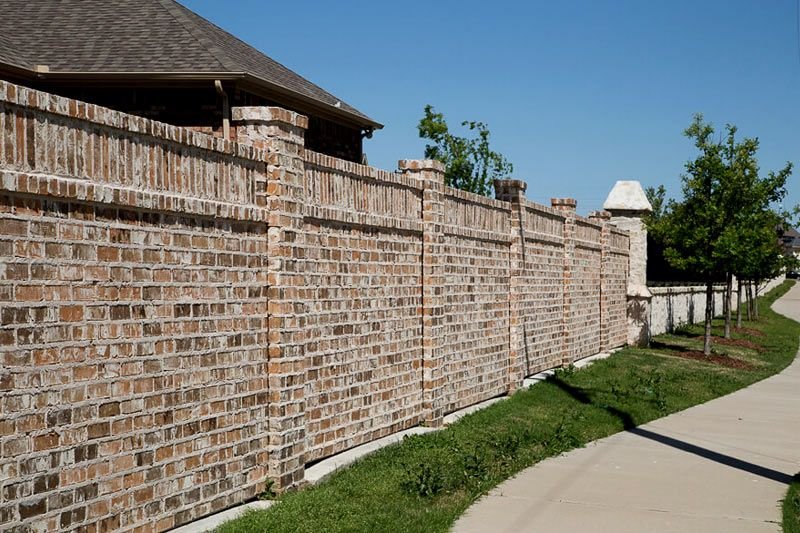
Before we get into the warning signs, it helps to know what you are looking at. So, what is a masonry wall? It is a wall built from individual units, such as brick, stone, or concrete block, bonded together with mortar. The units carry most of the strength. The mortar holds them in place, fills the gaps, and keeps water out.
Most New York homes have one of two types:
- Solid (load-bearing) masonry. Common in older row houses and brownstones. Several layers, or “wythes,” of brick are tied together and actually hold up the floors and roof.
- Brick veneer. A single layer of brick attached to a wood or block wall behind it, with a small air gap for drainage. It protects the house and looks great, but it does not carry the structure.
Here is the key idea: mortar is designed to be the weaker, sacrificial part of the wall. According to the National Park Service’s Preservation Brief 2 on repointing, mortar should be softer and more permeable than the brick around it, so that moisture and movement stress the joint instead of the brick. Joints can be replaced. Bricks are much harder to match. When the wrong mortar is used, or when worn joints are ignored, the damage moves into the brick itself.
1. Cracks in Brick or Mortar
Not every crack is an emergency. Fine hairline cracks in mortar are common as a building ages. The ones to watch are cracks that are wide, growing, or follow a pattern.
- Stair-step cracks that zigzag along mortar joints often point to foundation settlement or shifting soil.
- Long vertical cracks can come from thermal expansion, especially on long walls without expansion joints.
- Horizontal cracks may mean pressure from soil or water pushing against a foundation or retaining wall.
- Cracks through the bricks themselves, not just the mortar, signal stress the wall was not designed to handle.
Watch the Cracks Above Windows and Doors
Many New York homes have steel lintels, the beams that span the top of window and door openings. When water reaches them, the steel rusts. Rust takes up more space than the original steel, so it pushes the brick up and out. If you see cracks fanning out from the corners of an opening, rust stains, or bricks lifting above a window, have it checked. Replacing a lintel early is far cheaper than rebuilding the wall around it.
A simple trick: put a strip of painter’s tape across a crack and date it. If the tape tears or the crack widens over a few weeks, the wall is still moving, and it is time to call masonry contractors.
2. Crumbling, Sandy, or Missing Mortar
Run a key or screwdriver along a mortar joint. If the mortar scrapes out like sand, or the joints sit noticeably deeper than the face of the brick, the mortar has reached the end of its life.
Worn joints let water straight into the wall. Once that happens, every freeze expands the damage. The fix is called repointing, or brick pointing. A mason grinds or chisels out the old mortar to a consistent depth, then packs in fresh mortar matched to the strength, color, and texture of the original.
Why Mortar Type Matters
This is where experience counts. Older New York brick is often softer than modern brick. Repointing it with a hard, cement-rich mortar can trap moisture and force it out through the brick faces instead. The National Park Service warns that mortar harder than the surrounding masonry can cause the brick edges to crack and spall. Good masonry contractors test or identify the existing mortar before they mix a new batch.
3. Spalling, Flaking, or Loose Bricks
Spalling is when the face of a brick pops off, flakes, or crumbles, leaving a rough, pitted surface. It happens when water soaks into the brick, freezes, and expands. New York winters, with repeated thaws and refreezes, are especially hard on masonry.
Other signs in this family include:
- Bricks that wiggle or sound hollow when tapped
- Brick pieces or dust collecting at the base of the wall
- Bricks shifting out of line with their neighbors
A few spalled bricks can be cut out and replaced with matching units. Widespread spalling usually means a bigger moisture problem, such as failed mortar, a leaking parapet, or a sealer that trapped water inside the wall. Experienced masonry contractors fix the cause, not just the brick.
4. White Stains, Damp Walls, and Interior Water Damage
That chalky white residue on your brick is called efflorescence. It is salt left behind as water moves through the masonry and evaporates. Efflorescence is not harmful by itself and can often be brushed off. But it is a messenger: water is getting into the wall.
Look for related signs inside the house:
- Peeling paint or bubbling plaster on the inside of exterior walls
- Musty smells or mold in closets against outside walls
- Water stains around windows, ceilings below parapets, or near the chimney
Masonry wicks water like a sponge, and moisture is behind most masonry failure. Masonry contractors can trace where the water enters, and repointing, flashing repairs, and properly chosen breathable water repellents can stop it. Just be careful with cheap sealers. A coating that does not let the wall breathe can trap moisture and make spalling worse.
5. Bulging, Bowing, or Leaning Walls
This is the warning sign you should never wait on. A wall that bulges outward, bows in the middle, or leans away from the house is moving. In solid brick buildings, it can mean the wythes have separated. In veneer walls, it often means the metal ties connecting the brick to the house have rusted or failed. Garden walls and retaining walls lean when water pressure builds up behind them.
If you notice a bulge or lean, keep people and cars away from that wall and call licensed masonry contractors right away. Structural masonry repair may involve rebuilding a section, installing new wall ties, or adding drainage, and an engineer may need to be involved.
A Note for Taller Buildings
If you own or manage a building taller than six stories in New York City, facade inspections are required by law under the city’s Facade Inspection and Safety Program, also known as Local Law 11. Owners must have exterior walls inspected every five years by a qualified inspector and fix unsafe conditions. Bulging brick and loose masonry are exactly what those inspections are designed to catch.
6. Chimney Damage
Your chimney is the most exposed masonry on the house. It takes rain, wind, and freeze-thaw from every direction, plus heat and acidic exhaust from the inside. That is why masonry repairs for chimneys are some of the most common jobs on a New York roofline.
Warning signs include:
- A cracked chimney crown. The concrete cap on top sheds water. Once it cracks, water drops straight into the brickwork.
- Missing mortar or loose bricks near the top of the stack
- Rusted or lifting flashing where the chimney meets the roof
- Brick pieces on the roof or in the fireplace
- Water stains on ceilings or walls next to the chimney
- A visible lean, which needs immediate attention
Common Masonry Repairs for Chimneys
Depending on the damage, chimney masonry work may include repointing, rebuilding the crown, replacing spalled bricks, installing new flashing, adding a chimney cap, or rebuilding the stack from the roofline up. If you use the fireplace, have the flue and liner checked by a chimney sweep as well, since masonry contractors and chimney sweeps focus on different parts of the system.
7. Cracked or Bulging Stucco
Many New York homes have stucco over brick or block. Stucco is a cement-based finish, and like any masonry, it can crack as the building settles, as temperatures swing, or when water gets behind it.
Small hairline cracks are mostly cosmetic. Be concerned when you see:
- Cracks wider than about 1/8 inch, or cracks that keep coming back
- Stucco that sounds hollow when tapped or bulges away from the wall
- Brown streaks or staining below cracks
- Soft or crumbling stucco near the ground or around windows
Repairing Stucco Cracks the Right Way
Repairing stucco cracks is not just about filling a line. Good masonry contractors will first find out why the crack formed. Hairline cracks can often be cleaned and sealed with a compatible patching material and then blended with a finish coat. Larger cracks need to be opened up, cleaned out, and patched in layers. If the stucco sounds hollow or water is trapped behind it, the damaged section may need to be removed and rebuilt so the wall underneath can be checked. Caulking over a crack without fixing the cause usually just hides the problem until next season.
Repair or Rebuild? What to Expect From Masonry Contractors
Most homeowners do not need a whole new wall. Here is how professional masonry contractors typically approach the job:
- Inspection. They look at the wall, mortar, flashing, lintels, chimney, and drainage, and identify the source of the damage.
- A written scope. You should get a clear list of what will be repaired, the materials, and the timeline.
- Targeted repairs. Repointing, brick replacement, lintel work, stucco patching, or chimney repairs come first when they will solve the problem.
- Rebuilding, only when needed. Sections that are bulging, leaning, or badly deteriorated may be taken down and rebuilt.
- Protection. Flashing, drainage fixes, and the right breathable treatments help the repair last.
What affects the price: the size and height of the wall, access and scaffolding, the number of bricks that need replacing, matching older brick or mortar, permits for work on certain buildings, and whether structural repairs are needed. Small repairs done early almost always cost less than waiting.
For historic brownstones and older facades, restoration work requires extra care in matching materials. Benny’s Contracting works as a Masonry Restoration Specialist in Brooklyn, NY helping owners repair brick, stone, and mortar while keeping the building’s original character.
How to Choose Masonry Contractors in Queens and Across NYC

If you are searching for masonry contractors Queens homeowners can rely on, or a mason anywhere in the five boroughs, check these boxes before you hire:
- License. Home improvement contractors working in NYC need a license from the Department of Consumer and Worker Protection. Ask for the number and verify it.
- Insurance. Get proof of general liability and workers’ compensation coverage.
- Local masonry experience. Ask for photos of brick, chimney, and stucco jobs on homes like yours.
- A real diagnosis. Good contractors explain why the damage happened, not just what they will patch.
- Mortar knowledge. Ask how they will match the existing mortar and brick.
- A detailed written estimate with scope, materials, timeline, cleanup, and payment schedule.
- Permit know-how. Some exterior and structural work, scaffolding, and sidewalk sheds require city permits. Your contractor should know when.
Questions to Ask Before You Sign
- What is causing the damage, and how will your repair address it?
- Will you repoint, replace bricks, or rebuild?
- What type of mortar will you use, and how will you match the color?
- Who handles permits, if any are needed?
- Do you offer a workmanship warranty, and for how long?
Looking for experienced Masonry Contractors in New York ? Benny’s Contracting handles brick repair, repointing, chimney masonry, stucco repair, and wall rebuilding for homes and buildings across the city. Contact us to schedule an inspection and get a clear, written estimate.
Simple Ways to Protect Your Brickwork
- Walk around your home twice a year, in spring and fall, and look for the seven signs above.
- Keep gutters and downspouts clear and pointed away from walls.
- Trim back ivy and trees. Roots and vines pry open mortar joints.
- Fix leaks at the top first. Parapets, copings, and chimney crowns let water into the whole wall.
- Avoid pressure washing old brick at high pressure, which can erode soft brick and mortar.
- Address small cracks before winter, when freeze-thaw damage speeds up.
Frequently Asked Questions About Masonry Repair
How do I know if a crack in my brick wall is serious?
Cracks that are wider than about 1/4 inch, growing, stair-stepped, running through bricks, or paired with bulging or sticking doors and windows deserve a professional look. Fine hairline cracks in mortar are usually cosmetic but should still be watched.
How often does brick need repointing?
It depends on exposure, mortar quality, and how well the building sheds water. Well-done repointing can last for decades. Rather than following a fixed schedule, inspect your joints regularly and repoint when mortar is recessed, sandy, or missing.
Can I repair brick or mortar myself?
Small cosmetic touch-ups are possible, but using the wrong mortar can damage older brick. Structural cracks, chimney work, and anything above the first floor are best left to experienced masonry contractors with proper equipment.
What time of year is best for masonry repairs?
Spring through fall is ideal, since mortar cures best in mild temperatures. Masons can work in colder months with proper precautions, but it is smart to fix urgent problems before freeze-thaw season begins.
Does homeowners insurance cover masonry repair?
Insurance often covers sudden damage, like a fallen tree or storm, but usually not wear and tear or long-term water damage. Check your policy and photograph any damage right away.
Don’t Wait Until a Small Crack Becomes a Big Repair
Masonry gives you plenty of warning before it fails. Cracks, crumbling mortar, spalling brick, white stains, bulging walls, chimney damage, and cracked stucco are all signs that water or movement is working against your home. Catch them early, and repairs stay simple and affordable.
Benny’s Contracting LLC offers masonry repair as part of our full range of General Contracting Services so you can trust one team with your brickwork, roof, and renovation projects.
Ready to protect your home? Contact Benny’s Contracting today to schedule your masonry inspection and estimate.
About Benny’s Contracting LLC
Benny’s Contracting LLC is a Staten Island general contractor serving homeowners and property owners across New York City. Our team handles masonry repair, brick pointing, chimney work, stucco repair, roofing, and home renovation projects with clear estimates, experienced crews, and a focus on doing the job right the first time.