A new roof is one of the biggest checks most homeowners ever write for their house. It is also one of the few projects where a mistake stays hidden until the next storm. Water finds every shortcut, and on Staten Island, nor’easters and coastal wind find them fast.
The good news is that a smart roof installation is not a mystery. When you know what to ask, what it should cost, and what happens on install day, you can hire with confidence and avoid paying twice. This guide walks through the seven things every homeowner should know before signing a contract.
Roof Installation at a Glance
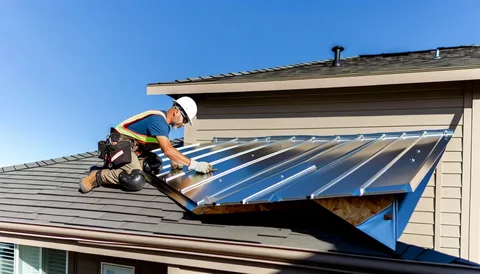
Here is the short version before we dig in.
| Question | Quick Answer |
| Typical cost to replace shingles | About $4.25 to $12.25 per sq ft for asphalt (NerdWallet) |
| How long it takes | One to three days for most homes, weather permitting |
| How long asphalt lasts | About 20 to 25 years (3-tab) or about 30 years (architectural) |
| Do you need a permit in NYC? | A full replacement generally does; your contractor should file it |
| Can you roof over old shingles? | Only if there is one layer now and the deck is sound |
| Biggest hidden cost | Rotted sheathing found after tear-off |
1. Know the Signs That You Need a New Roof
Not every leak means a full roof installation. Sometimes a repair is the right call. But these signs usually point to replacement:
- Age. According to InterNACHI life expectancy data cited by NerdWallet, 3-tab asphalt shingles typically last 20 to 25 years and architectural shingles about 30 years. A roof in that range is living on borrowed time.
- Curling, cracking, or missing shingles across large areas, not just one spot.
- Granules in the gutters. Shingles shed their protective granules as they wear out.
- Sagging rooflines, which often mean water has reached the decking or framing.
- Daylight or water stains in the attic, especially around chimneys, vents, and valleys.
- Repeated repairs. If you are patching the same roof every year, those repair bills are going toward a roof you will still have to replace.
A good contractor will tell you honestly when a repair is enough. If you want to understand what a full replacement can do for comfort, resale value, and energy bills, read our guide to Roof Replacement benefits.
2. Choose the Right Roofing Material for Your Home
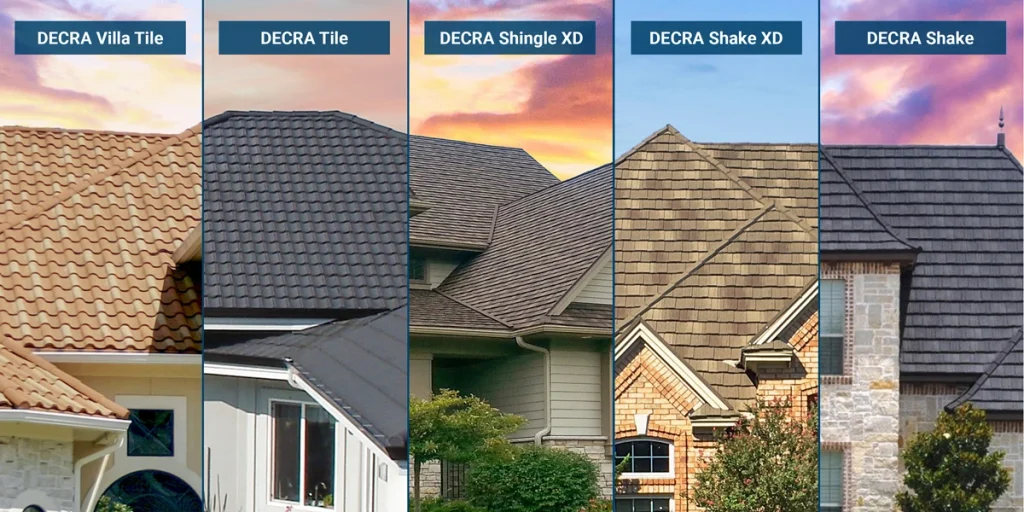
The material you pick sets your budget, your look, and how long you go before the next roof installation. Here are the most common options for New York homes.
| Material | Typical Lifespan | Best For |
| 3-tab asphalt shingles | 20 to 25 years | Tight budgets and rental properties |
| Architectural asphalt shingles | About 30 years | Most single-family homes; the best value pick |
| Metal roofing | 40 years or more | Long-term owners who want low maintenance |
| Flat roof membranes (EPDM, TPO, modified bitumen) | Varies by system | Row houses, additions, and low-slope roofs |
Architectural shingles are the most popular choice for new roof installation for homes on Staten Island. They are thicker than 3-tab shingles, look more dimensional, and generally carry higher wind ratings. That matters near the water, where gusts can lift weak shingles at the edges and ridges.
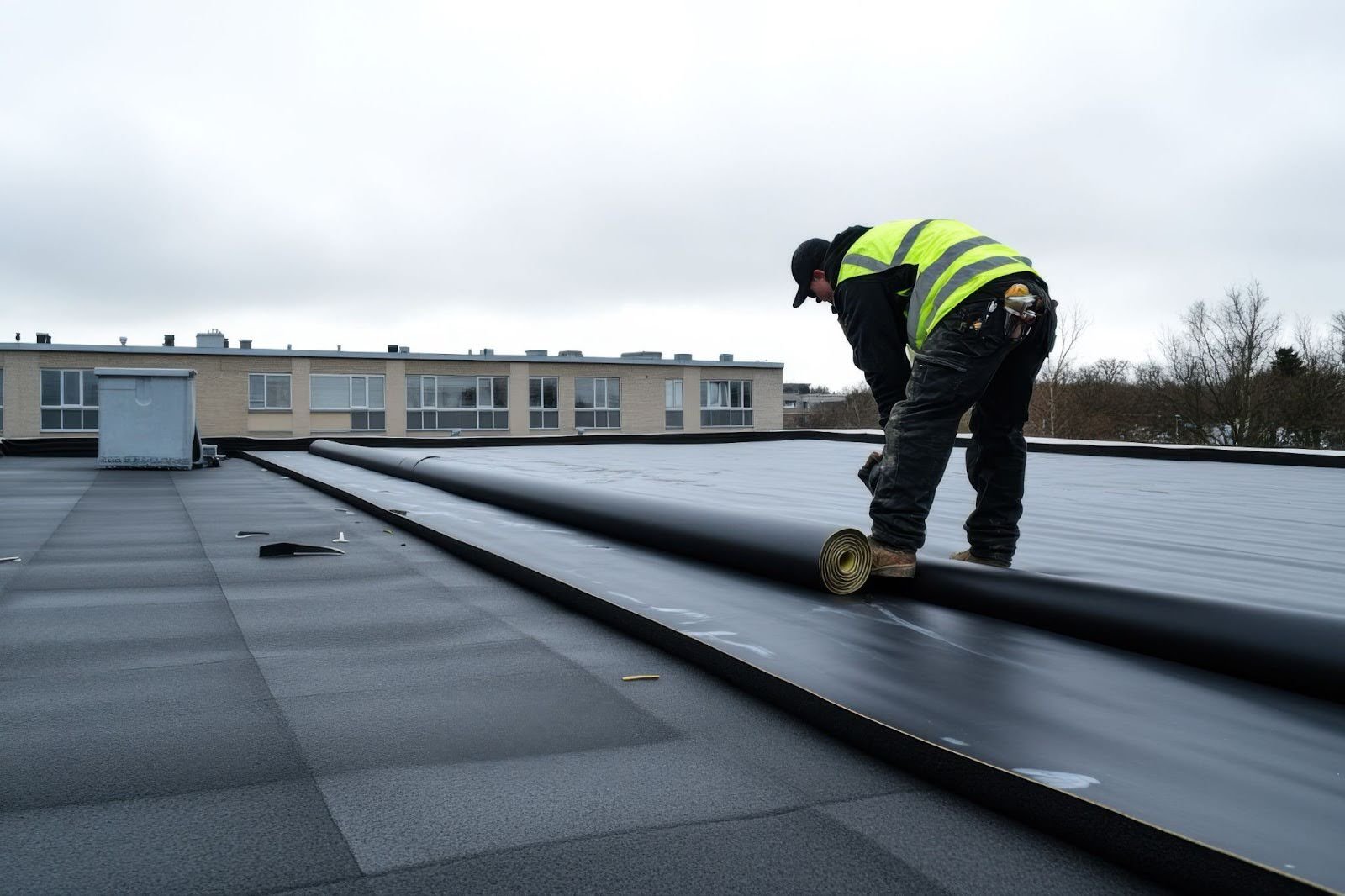
Flat and low-slope roofs are common on attached homes across New York City. They need a different system and a crew that knows how to handle drainage, parapets, and flashing on a flat surface.
3. The Deck and Sheathing Matter as Much as the Shingles
Shingles get all the attention, but they are only as strong as what they are nailed to. The roof deck, also called sheathing, is the layer of plywood or OSB boards that sits on top of your rafters. Every nail and every layer of underlayment depends on it.
You cannot see the deck until the old roof comes off. That is why honest estimates include a per-sheet price for replacing damaged sheathing. If a contractor’s quote does not mention it, ask. Rotted or soft decking is the most common surprise cost in any roof installation.
Signs Your Roof Sheathing Needs Work
- Soft or spongy spots when walked on
- Dark staining, delamination, or mold on the underside in the attic
- Wavy rooflines between rafters
- Nails that will not hold or “shiners” poking through
Don’t Forget Patio Roof Sheathing
Covered porches, patio roofs, and attached overhangs are often built with thinner sheathing and lower slopes than the main roof. That makes them prone to sagging and leaks. If you are replacing your main roof, it is the ideal time to inspect the patio roof sheathing too. Replacing it during the same project usually costs less than a separate job later, and it lets both roofs match.
4. Understand the Roof Replacement Process, Step by Step
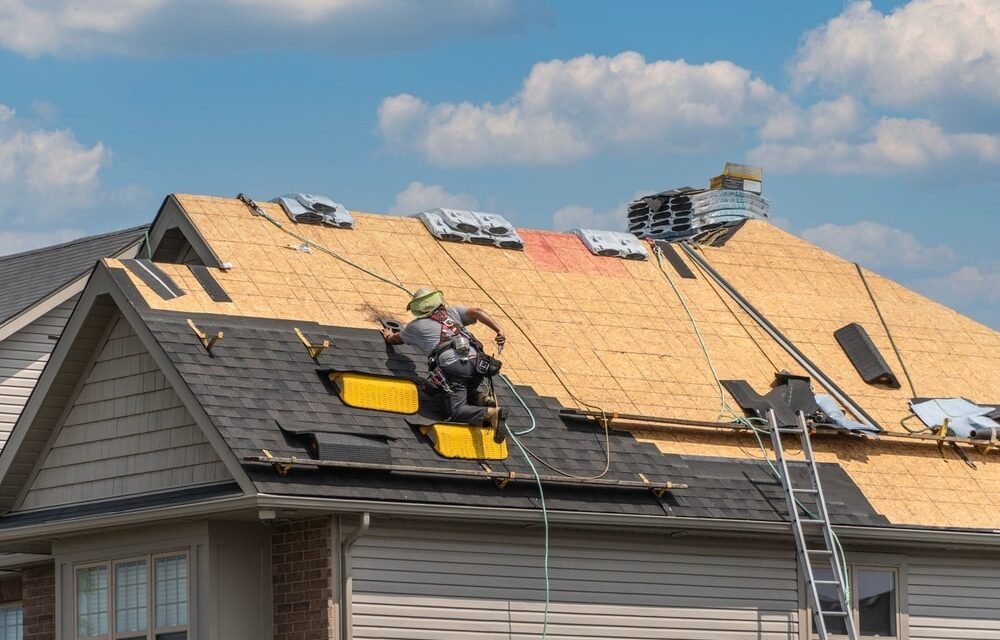
Knowing the roof replacement process helps you spot shortcuts and plan around the noise. Here is what a professional roof installation typically looks like.
- Protect the property. The crew covers landscaping, AC units, and windows, and sets up a dumpster close to the house.
- Tear off the old roof. Shingles, old underlayment, and worn flashing come off down to the deck.
- Inspect and repair the deck. Damaged sheathing is replaced so the new roof has a flat, solid base.
- Install drip edge and ice and water shield. A self-adhering membrane goes along the eaves, in valleys, and around penetrations. In cold climates like New York, building codes require an ice barrier at the eaves where ice dams are a known risk.
- Lay synthetic underlayment. This second line of defense covers the rest of the deck, overlapped from the bottom up so water sheds downhill.
- Install flashing. New metal flashing seals chimneys, skylights, walls, and pipe boots, the places where most leaks start.
- Install the shingles. Starter strips go first, then shingles in staggered rows, nailed to the manufacturer’s pattern.
- Add ventilation. Ridge vents and intake vents at the soffits let the attic breathe.
- Clean up and inspect. Magnetic sweepers pick up stray nails, debris is hauled away, and the work gets a final quality check.
How to Replace Roof Shingles the Right Way
Homeowners often ask how to replace roof shingles on a small damaged area. For a few missing shingles, a roofer will break the seal on the row above, pull the old nails, slide in a new shingle, nail it under the overlap, and reseal the tabs. It sounds simple, but nail placement and matching the existing shingle are what keep it watertight.
Once damage spreads across a slope, spot repairs stop making sense. Matching faded shingles gets harder, and you are paying for labor on a roof near the end of its life anyway.
Can You Install New Shingles Over Old Ones?
Sometimes. Most residential building codes, based on the International Residential Code, do not allow a new layer when the roof already has two layers, or when the existing roof or deck is water-soaked or deteriorated. Even when an overlay is allowed, a full tear-off lets the crew inspect the deck, install proper ice and water protection, and keep the manufacturer’s warranty in good standing. For most homes, tear-off is the better investment.
5. Plan Your Budget and Watch for Hidden Costs
According to NerdWallet, replacing roof shingles typically costs $4.25 to $25 per square foot depending on material, with asphalt running about $4.25 to $12.25 per square foot. Full shingle replacement can range from about $2,000 to nearly $25,000, with an average near $10,000 based on HomeAdvisor data. New York City labor, disposal, and permit costs often push local prices toward the higher end.
What drives the price of a roof installation:
- Roof size and pitch. Steep roofs need more safety gear and take longer.
- Number of layers to remove. Two old layers mean more labor and disposal.
- Decking repairs. Usually priced per sheet once the old roof is off.
- Complexity. Dormers, valleys, skylights, and chimneys add flashing work.
- Material choice. Architectural shingles cost more than 3-tab; metal costs more than both.
- Access. Tight lots and attached homes can slow setup and debris removal.
Get at least two or three written estimates and compare them line by line. The lowest number is often the one that skips ice and water shield, new flashing, or deck repairs.
6. Permits, Codes, and Warranties Protect You
In New York City, a full roof replacement generally requires a permit from the Department of Buildings, and many jobs also need an asbestos review before the application is filed. Small repairs may count as ordinary maintenance, but the city reads that narrowly. Your contractor should know the rules and handle the filing for you. If a roofer suggests skipping the permit to save money, that is a red flag.
Ventilation and ice barrier details are also set by code, and both affect how long your new roof lasts. Poor attic ventilation traps heat and moisture, which can shorten shingle life and cause mold.
Know Your Two Warranties
- Manufacturer warranty covers defects in the shingles themselves. Enhanced warranties often require a certified installer and specific accessories.
- Workmanship warranty covers installation errors and comes from your contractor. Ask how long it lasts and get it in writing.
7. Hire the Right Roofing Contractor
The best materials will fail if they are installed poorly. Before you hire anyone for roof installation, check these boxes:
- Licensing. Home improvement contractors working in NYC need a license from the Department of Consumer and Worker Protection. Ask for the number and verify it.
- Insurance. Request proof of general liability and workers’ compensation coverage.
- Local experience. A Staten Island roofer understands coastal wind, older housing stock, and city permit rules.
- A detailed written estimate that lists materials, underlayment, flashing, deck repair pricing, cleanup, and timeline.
- References and recent photos of similar homes.
- A clear payment schedule. Be cautious of anyone asking for most of the money up front.
Questions to Ask Before You Sign
- Will you tear off the old roof or overlay it?
- What is your price per sheet for replacing damaged sheathing?
- Who pulls the permit, and is it included?
- Which underlayment, ice barrier, and ventilation will you use?
- How long is your workmanship warranty?
- Who is my point of contact during the job?
Benny’s Contracting provides professional Roof Installation Services in New York from full tear-offs and deck repairs to final cleanup. Request your estimate today and get a clear, line-by-line quote before any work begins.
How to Prepare Your Home for Install Day
A little prep makes the project smoother:
- Move cars out of the driveway and away from the dumpster area.
- Take down wall decor and fragile items, since hammering can shake walls.
- Cover belongings stored in the attic to keep dust off.
- Keep kids and pets away from the work zone.
- Mark sprinkler heads, septic lids, or delicate plants for the crew.
Frequently Asked Questions About Roof Installation
How long does a roof installation take?
Most homes take one to three days. Larger roofs, steep pitches, extensive deck repairs, or bad weather can add time.
What is the best time of year for a new roof in New York?
Late spring through fall is ideal, since shingles seal best in mild, dry weather. Roofs can be installed in winter, but cold temperatures and short days can slow the job.
Do I need to be home during the roof replacement process?
Not necessarily. Be available at the start to walk the property with the crew and at the end for the final walkthrough.
Will a new roof lower my energy bills?
It can. Proper attic ventilation and lighter or reflective shingles can reduce heat buildup in summer and help your HVAC system work less.
Does homeowners insurance pay for a new roof?
Insurance usually covers sudden damage, like a storm or fallen tree, not wear from age. Check your policy and document damage with photos right away.
Get Your New Roof Installed Right the First Time
A successful roof installation comes down to seven things: knowing when you need it, choosing the right material, protecting the deck and sheathing, understanding the process, budgeting for hidden costs, following permits and codes, and hiring a contractor you trust.
Get those right, and your new roof should protect your family for decades. As a trusted General Contracting Company Staten Island homeowners rely on, Benny’s Contracting LLC handles roofing alongside the rest of your home improvement needs.
Ready to start? Contact Benny’s Contracting today to schedule your roof inspection and estimate.
About Benny’s Contracting LLC
Benny’s Contracting LLC is a Staten Island geeral contractor serving homeowners across New York City. Our team handles roof installation, roof replacement, and home renovation projects with clear estimates, experienced crews, and a focus on doing the job right the first time.