
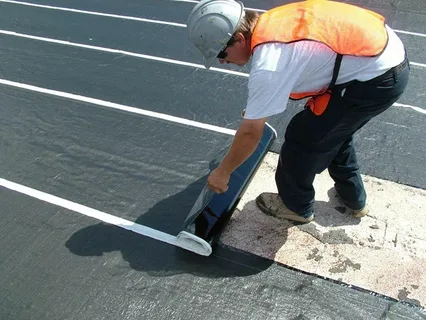
Water is patient. It finds small cracks. It waits. Then it spreads. For HOA buildings, this slow damage can turn into a huge repair bill. That is why waterproofing matters so much. This guide from Benny’s Contracting Inc explains the warning signs, who pays for repairs, and what steps to take next.
What Is Waterproofing?
Waterproofing is a way to seal a building from water. It stops rain, ground water, and moisture from soaking into walls, roofs, and foundations. Good waterproofing protects the structure. It also protects the people living inside.
HOA buildings often have shared roofs, shared walls, and shared parking areas. This means water damage in one spot can affect many units. That is why boards must watch for early warning signs.
Why HOA Waterproofing Matters
Hoa waterproofing is not just about looks. It protects property value. It keeps residents safe. It also lowers long-term costs. A small leak today can turn into a major structural problem in a year.
Boards that ignore hoa waterproofing often face bigger bills later. Mold, wood rot, and rusted rebar are common results of long-term water exposure. Fixing these problems costs far more than early prevention.
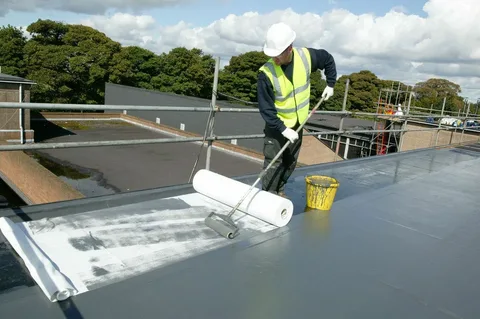
Common Signs Your HOA Property Needs Waterproofing
Here are the clearest warning signs that a building needs help fast.
1. Cracks in Walls or Foundations
Small cracks may seem harmless. But water can enter through them. Over time, cracks grow bigger. This is one of the first signs that waterproofing is needed.
2. Peeling Paint or Bubbling Walls
When water gets behind paint, it pushes the surface outward. This creates bubbles or peeling patches. It is a clear sign that moisture is trapped inside the wall.
3. Musty Smell in Hallways or Basements
A musty smell often means hidden mold. Mold grows in damp, dark spaces. If residents notice this smell, the board should act fast.
4. Stains on Ceilings or Walls
Brown or yellow stains often mean water is leaking from above. This can come from a roof, a pipe, or a balcony.
5. Damp or Soft Flooring
Floors that feel soft or spongy often sit above water damage. This is common near entryways, laundry rooms, or ground-level units.
6. Efflorescence on Concrete
This looks like white, chalky marks on concrete. It means water is moving through the concrete and leaving mineral deposits behind. This is a strong sign that hoa concrete repair may be needed soon.
Is HOA Responsible for Water Damage?
This is one of the most common questions boards and residents ask. The answer depends on where the damage starts.
In most cases, is hoa responsible for water damage depends on whether the damage comes from common areas or from inside a private unit. Roofs, shared walls, and building exteriors are usually the HOA’s job. Damage inside a single unit, like a broken washing machine hose, is often the owner’s job.
Every HOA should have clear rules about this. Reading the governing documents helps avoid conflict. When it is unclear, a professional inspection can help settle the issue fairly.
HOA Concrete Repair: Why It Matters
Concrete is strong, but it is not waterproof. Water seeps into small pores and cracks. Over time, it can rust the steel bars inside concrete. This weakens the whole structure.
Hoa concrete repair often includes sealing cracks, replacing damaged sections, and adding new waterproof coatings. Parking garages, balconies, and walkways are the most common areas that need this kind of repair.
Boards that catch concrete damage early can save thousands of dollars. Waiting too long can lead to full structural replacement, which costs much more.
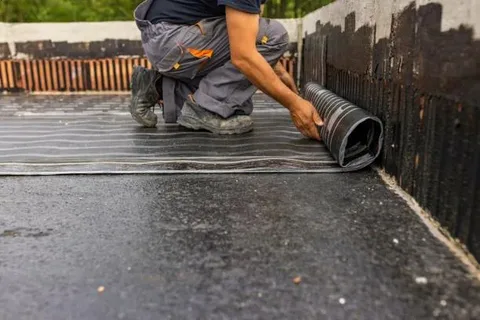
Local Water Damage and Waterproofing Needs
Weather plays a big role in how fast buildings need repair. Heavy rain, snow, and freeze-thaw cycles all speed up damage. Coastal humidity adds even more stress on old buildings.
Many boards searching for help after storms look for water damage solutions in Queens, NY, especially in older co-op and condo buildings where aging pipes and flat roofs tend to trap moisture during heavy rainfall.
City buildings face their own unique risks too. Tight spacing, old brickwork, and shared walls can all speed up water intrusion. HOA boards managing older properties often reach out to licensed waterproofing contractors in Manhattan, since dense city blocks with limited drainage space need specialized sealing methods around foundations and rooftops.
Choosing the Right Team for the Job
Not every contractor understands HOA rules, shared responsibility, and building codes. It helps to choose a team with experience in multi-unit properties.
Ask about past HOA projects. Ask about warranties. Ask how they handle common-area versus private-unit damage. A clear answer shows real experience.
Property managers across the state often compare local options before signing a contract. Many boards researching waterproofing services in New York look for licensed teams who understand co-op boards, HOA budgets, and multi-building projects, since these jobs often need approval from several stakeholders before work can begin.
Why Choose Benny’s Contracting Inc
Benny’s Contracting Inc works directly with HOA boards, property managers, and building owners. The team understands shared responsibility rules. They also understand how to explain repair needs clearly to boards and residents.
Every project starts with a full inspection. This includes checking roofs, walls, foundations, and concrete areas. The team then offers a clear plan with fair pricing and realistic timelines.
Frequently Asked Questions
What is the main purpose of waterproofing in HOA buildings? Waterproofing
stops water from entering shared walls, roofs, and foundations. This protects the building and lowers repair costs over time.
Is HOA responsible for water damage in every case?
No. Is hoa responsible for water damage usually depends on where the leak starts. Common areas are often the HOA’s job. Inside a private unit, the owner may be responsible.
How often should HOA buildings get a waterproofing inspection?
Most experts suggest checking roofs and foundations once a year. Older buildings may need checks twice a year, especially after storm season.
What does HOA concrete repair usually include?
Hoa concrete repair often means sealing cracks, replacing weak sections, and adding waterproof coatings to parking areas, balconies, and walkways.
Can small cracks really cause big problems later?
Yes. Small cracks let water inside. Over time, this can rust steel bars in concrete and weaken walls. Fixing cracks early saves money.
How do I know if my HOA needs professional waterproofing help?
Look for musty smells, stains, peeling paint, or white marks on concrete. If you see these signs, call a professional right away.
Final Thoughts
Water damage rarely happens overnight. It builds slowly through small cracks, weak seals, and old materials. Spotting the signs early can save your HOA a large amount of money. Waterproofing is not just a repair. It is protection for the whole community.
Benny’s Contracting Inc helps HOA boards catch these problems early and fix them the right way, from first inspection to final repair.