
Water doesn’t need much of a gap to enter. A little crack as thin as a hair can make a lot of mess. In the same way, a mortar joint that crumbled years ago will do. Good waterproofing service can help you get that crack fixed and shut its path. Exterior waterproofing does it from the outside, so the wall stays dry instead of just hiding the damp.
In the following guide, explore how this waterproofing works and how much it will cost in NYC buildings. You will also learn how to pick a reliable and professional crew for your work.
What exterior waterproofing covers
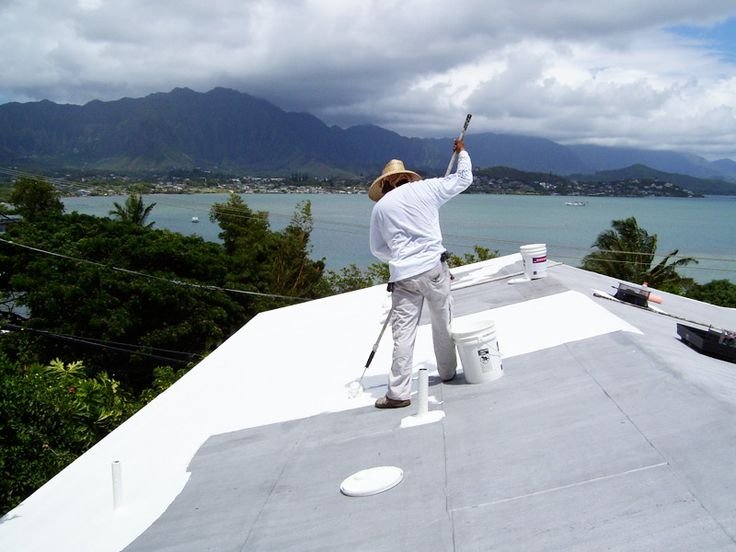
Contractors split the work into two zones. Each one needs a different fix.
Below grade is everything under the soil. That’s your foundation walls, basement walls, and footings. Water enters through these cracks, and wet soil leans on them all day. Exterior waterproofing experts dig down along the wall to fix it. They repair it and put in a waterproofing membrane.
You can see the above-grade part. It includes bricks, stones, and blocks. Sometimes, water enters through windows, seams, and cracks. You don’t have to dig here while repairing and sealing.
Plenty of buildings need both.
Why NYC buildings take such a beating
Freezing and thawing does a lot of the damage. Water gets into a small crack and freezes. Those smaller cracks widen because ice takes up more room than water. The next rain fills it again. New York winters cross the freezing line over and over, so this goes on all season.
Old brick and stone buildings were never built with modern waterproofing. No membrane, no drainage board. The mortar between the bricks softens over the years and starts to crumble. And the ground around them doesn’t help. Rain hits a paved yard, can’t soak in, and slides toward the foundation.
On Staten Island it can get worse. The Federal Reserve Bank of New York names the island’s east coast as one of the highest flood-risk areas in the city for basement housing. Still, you don’t have to live in that zone to see water in the cellar after a hard rain.
Signs you need exterior waterproofing
- White, chalky powder on brick or concrete. It’s called efflorescence, the salt water leaves behind when it dries.
- Stair-step cracks in brick or block. Any crack that leaks after rain counts too.
- Peeling paint or bubbling plaster on an outside wall.
- A musty basement smell that comes back after you clean.
- Brick faces that flake or pop off. Pros call this spalling.
- Water showing up in the same spot after every heavy rain.
The season helps you decide when to get waterproofing. Storms cause outside water to come inside through cracks. If there is dampness inside, that means the water is leaking through a ground pipe. See a plumber to check the pipe first. a
Interior Vs Exterior Waterproofing
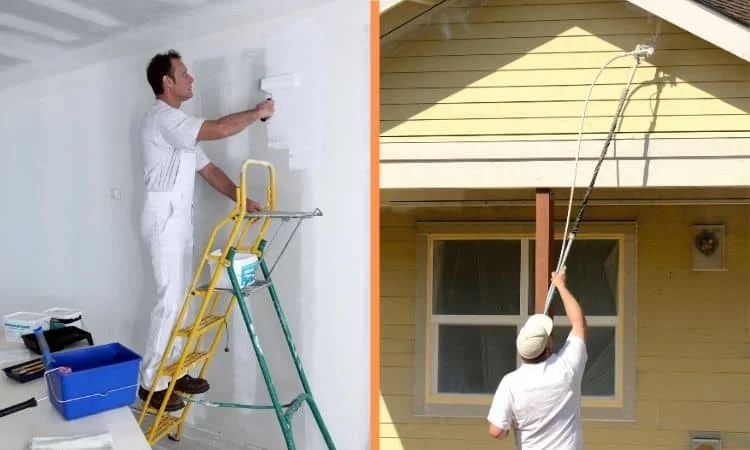
An interior system works inside the basement. A floor drain and a sump pump send the water out. No yard gets dug up, so it costs less. But the water has already come through the wall. Exterior work stops it at the source. Crews dig along the foundation and seal the wall from the soil side. All that digging costs more.
A cracked wall that’s wet from the soil side usually needs exterior work. Water pushing up through the floor is a drainage problem, so interior systems often fit better. Plenty of houses need both. Nobody should pick one without seeing the building first.
How Exterior Waterproofing is Done
Exterior waterproofing services differ from one building to the next. A below-grade job usually goes in this order. Crews dig along the foundation wall and clean it. They patch any cracks or holes. A waterproofing membrane goes on next, either liquid or sheet. Then comes a drainage board and a footing drain to carry water away. Last, gravel and soil go back in, and the surface gets restored.
Above grade, the work depends on what failed. Repointing means replacing worn mortar joints. Crews also seal cracks and the joints around windows and doors, fix flashing and parapet caps, and sometimes add a breathable water repellent to brick or stone.
Be careful with that last one. Brick has to breathe. A thick coating can trap moisture inside the wall and cause spalling later, so the product matters.
Roofs matter here too. Water that starts on the roof often shows up in the walls below. Our roof waterproofing guide covers that side in more detail.
Check The Free Fixes Before Paying For Excavation
Digging is the biggest line on most quotes, so check the cheap causes first. Clogged gutters come first. Then look at where the downspouts end. They should empty several feet from the foundation. The soil should slope away from the house, and walkways or patios shouldn’t tilt toward the wall.
Fixing these can cut the water load a lot. Sometimes it solves the whole problem. If a contractor wants to dig without checking any of this, ask why.
Basement waterproofing cost in Staten Island: what changes the price
There’s no flat price for this service. Anyone who quotes one over the phone is guessing.
For a rough national benchmark, This Old House puts basement waterproofing at about $3 to $10 per square foot. Labor follows the local cost of living, so New York jobs often come in higher. Online price guides for Staten Island disagree by thousands of dollars. That tells you how much depends on the house.
The method moves the number first. Interior systems cost less than exterior digging. Next comes the size of the job, since more walls means more labor and material. Access matters a lot. Attached homes and narrow side yards slow a crew down. So do driveways, stoops, and patios in the way.
A finished basement costs more because walls and floors may have to come out and go back in. Drainage adds cost too. So do sump pumps, battery backups, and crack or masonry repair. Some work needs permits, depending on scope.
Ask for an itemized written estimate and compare what each quote includes. The total alone won’t tell you much. The lowest price often leaves out drainage or the cost of fixing your yard afterward.
How to Choose a Waterproofing Service Near You
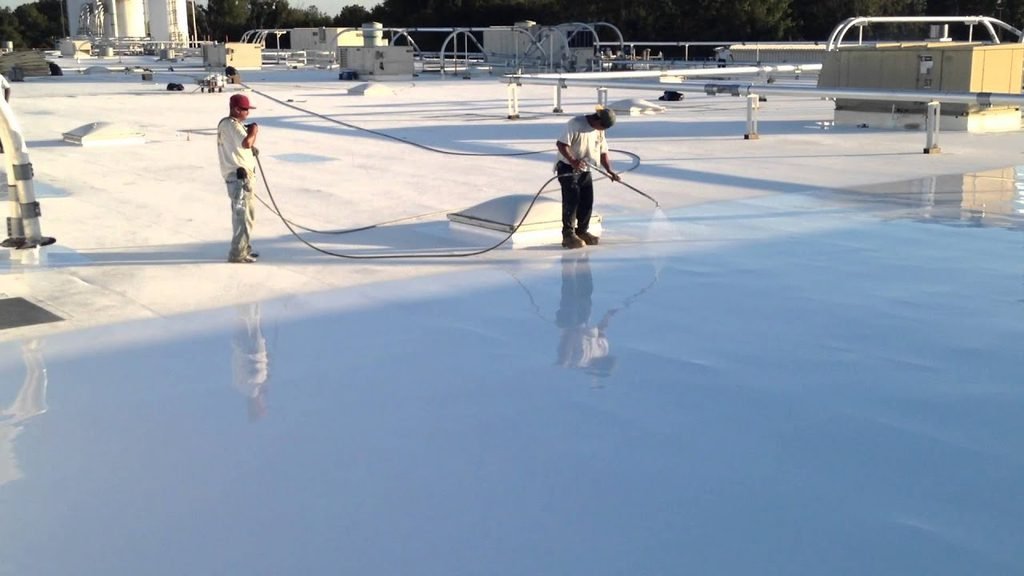
Search “waterproofing services near me,” and you’ll get a long list of names. What sets them apart is how they work. Ask each one a few plain questions.
Will they inspect the property before quoting and find where the water gets in? Can they show a license and proof of insurance? Get the scope in detail: membrane type, drainage, backfill, and how they restore the surface. Find out what the warranty covers, who honors it, and whether it’s in writing. Ask if their own crew does the work or subcontractors. And ask for local references on similar buildings.
Watch for red flags. Pressure to pay a deposit the same day is one. A quote with a single line item is another. Be wary of any “guaranteed dry” promise too. Honest waterproof contractors will tell you what they can’t fix.
Larger and multi-family buildings
Buildings taller than six stories fall under the city’s Facade Inspection and Safety Program. Every five years, a Qualified Exterior Wall Inspector has to examine the exterior walls and file a report with the Department of Buildings.
The report rates the facade Safe, Safe With a Repair and Maintenance Program, or Unsafe. The middle rating means repairs are due before things get worse. Inspectors look for defects like open joints and cracked masonry.
Most Staten Island homes are well under six stories. Mid-rise apartment and mixed-use buildings may not be. If you manage one, plan your waterproofing and masonry repairs around your filing window. Don’t wait for an Unsafe rating.
Frequently asked questions
How long does exterior waterproofing last?
It depends on the materials, how well it’s installed, the drainage around the building, and the soil. Get the warranty terms in writing.
Will insurance pay for it?
Many standard homeowners policies exclude slow seepage and routine maintenance. Sudden events can be treated differently. Read your policy or call your agent before you start.
Do I need a permit?
It depends on the scope. Work near property lines, sidewalks, or scaffolding may need approvals. Your contractor should tell you which ones apply and handle them.
Can I do it myself?
Cleaning gutters and fixing the grading, yes. Paint-on sealers over a wall that’s pushing water tend to peel. Leave the digging and membrane work to a pro.
How often should I inspect the exterior?
Once a year and after any major storm. Check mortar joints, cracks, gutters, and the base of the walls.
Get a straight answer about your building
If water keeps showing up where it shouldn’t, start with an inspection. Benny’s Contracting does waterproofing, roofing, masonry, and general contracting out of Staten Island. We serve all five boroughs. We’ll find where the water gets in, explain your options in plain English, and give you a written estimate. Estimates are free.
Call (718) 720-0331 or request a quote. You can also see our full list of Waterproofing Services in NY.