

Understanding Roof Replacement timing is essential for protecting your property, avoiding costly damage, and planning future maintenance. A roof is one of the most important structural components of any home, and knowing when it needs a full replacement helps you prevent leaks, structural deterioration, and expensive repairs.
A roof does not follow a fixed replacement schedule for every property. Instead, its lifespan depends on material quality, weather exposure, installation standards, and maintenance history. While some roofing systems last decades, others may require earlier replacement due to environmental stress or lack of upkeep. This guide explains how often a roof may need replacement, what affects its lifespan, and when a full upgrade becomes necessary.
Understanding Roof Lifespan Basics
A professional Roof Replacement Service in Brooklyn is often required when a roof reaches the end of its functional life. Most roofing systems last between 15 to 50 years depending on material type and installation quality. Asphalt shingles generally last around 20–25 years, while metal and tile systems can last significantly longer under proper care.
The question of roof lifespan depends heavily on environmental exposure. Homes facing strong winds, heavy rain, snow, and sun damage tend to experience faster aging. Urban environments like Brooklyn also add stress due to pollution, temperature changes, and building density.
Routine inspections help determine whether aging is normal or accelerated. Issues like curling shingles, minor leaks, or missing sections often indicate that a full Roof Replacement may be more suitable than repeated repairs.

When Repair Is Not Enough
Many homeowners rely on professional roof repair services in Staten Island, NY to extend the life of their roofing system. However, repairs are only effective when damage is limited. Once issues become widespread, patchwork solutions lose long-term value.
If a roof develops multiple leaks, sagging areas, or frequent repair needs, it may be approaching the end of its service life. Common warning signs include:
Persistent water leaks
Shingle granule loss
Weak or damaged roof decking
Mold growth or moisture buildup
Ignoring these problems can lead to structural deterioration, higher energy bills, and interior damage. A timely replacement helps maintain long-term safety and performance.
Signs You Need a Full Replacement
A new roof replacement in Queens, NY is usually required when a roofing system reaches advanced wear. In densely populated areas like Queens, roofs are exposed to heat, storms, and pollution, which can shorten their lifespan.
Knowing when a Roof Replacement becomes necessary helps prevent sudden failures. Roofs older than 20–30 years should be inspected regularly for hidden damage that may not be visible from the ground.
Key indicators include:
Cracked or curling shingles
Light entering through the attic
Frequent leak repairs
Visible sagging in structure
When these issues appear together, a full replacement is often the safest long-term solution.
What Affects How Often You Need Roof Replacement?
Several factors influence how frequently a Roof Replacement may be required. Roof aging is not uniform, and external conditions play a major role in performance decline.
Weather Exposure
Severe storms, hail, and high winds gradually weaken roofing layers and reduce durability over time.
Material Quality
Premium materials such as metal or slate generally last longer than standard asphalt systems.
Installation Quality
Poor installation can shorten lifespan even if high-quality materials are used.
Maintenance Frequency
Regular inspections and minor repairs can significantly extend roof life and delay full replacement needs.
Average Roof Lifespan by Material Type
Different roofing materials have different durability levels, which directly impact Roof Replacement timing.
Asphalt shingles typically last 20–25 years under normal conditions. Metal roofing can last 40–70 years with proper maintenance. Tile and slate systems may last 50–100 years depending on installation quality and environmental exposure.
However, real-world conditions can reduce these estimates. Homes exposed to harsh climates may require earlier replacement regardless of material type.
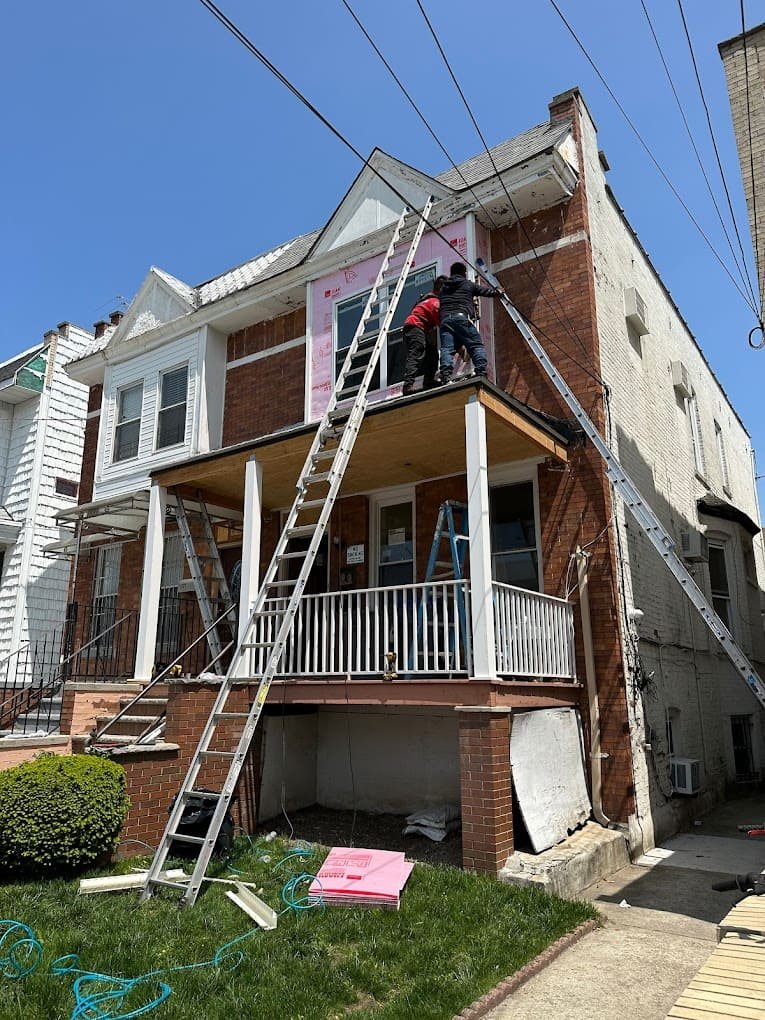
Roof Replacement Cost Factors Explained
The cost of a Roof Replacement depends on multiple variables. While pricing can vary widely, understanding the structure helps homeowners plan effectively.
Key cost factors include:
Roof size and slope
Material selection
Labor complexity
Removal of old roofing layers
Structural repairs if needed
Additional expenses may arise if hidden damage is discovered during installation. Moisture damage or weakened decking can increase overall costs significantly.
Choosing durable materials and skilled installation helps reduce long-term repair expenses.
Why Delaying Roof Replacement Can Be Expensive
Water intrusion can damage insulation, ceilings, and framing. Mold growth becomes a health risk, and energy efficiency declines significantly.
A delayed replacement may also reduce property value and increase emergency repair costs. In contrast, timely action helps protect both the structure and long-term finances.
How to Decide When You Need a Roof Replacement
Professional assessments help determine whether repairs are sufficient or if full replacement is necessary. In many cases, replacement becomes more practical when repair costs exceed a significant portion of total value.
Homeowners should prioritize long-term durability and safety instead of focusing only on short-term savings.
Importance of Professional Roof Inspection
A professional inspection helps uncover hidden issues that are not visible from ground level. Experts evaluate shingles, flashing, underlayment, and structural stability.
These inspections provide clarity on whether a Roof Replacement is needed immediately or can be delayed safely. This reduces unnecessary expenses and improves decision-making accuracy.
Working with experienced contractors ensures proper evaluation and reliable recommendations.
Long-Term Benefits of Roof Replacement
A new Roof Replacement provides multiple long-term benefits beyond structural protection. It improves energy efficiency, enhances curb appeal, and increases overall property value.
Modern roofing systems also offer improved insulation and stronger weather resistance. This helps reduce heating and cooling costs while improving indoor comfort.
A new roof also provides peace of mind by eliminating concerns about leaks, sudden failures, and ongoing repair expenses.
Final Thoughts
The timing of a Roof Replacement depends on material type, maintenance practices, and environmental conditions. While most roofing systems last several decades, regular inspections are essential to identify when replacement becomes necessary.
Working with professionals like Benny’s Contracting Inc ensures accurate evaluation and high-quality installation. Whether repairs or a full replacement is needed, timely action protects both your home and long-term investment.
FAQs
1. How often should a roof be replaced?
Most roofs require replacement every 20–50 years depending on material quality and maintenance practices.
2. What is the average Roof Replacement cost?
Costs vary based on size, materials, and condition of the roof, ranging from moderate to high depending on complexity.
3. Can a roof last longer with maintenance?
Yes, regular inspections and timely repairs can significantly extend the overall lifespan of a roof.
4. How do I know if I need a new roof replacement?
Common signs include leaks, missing shingles, sagging areas, and frequent repair needs.