
The roof generally does not draw attention since it quietly shelters all things beneath it. Nonetheless, regardless of how well the roof is built, sooner or later, it will begin showing its age. Being aware of the signs for roof repair helps prevent minor issues from escalating into costly ones. Missing a few shingles might seem like nothing to worry about, but eventually, water will seep through. Additionally, dark spots inside might be a sign of moisture originating from above. The best part is that most signs precede the damage.
1. Start With the Roof’s Age and Material
Every roof has a lifespan, yet there is no universal number of years for all houses. Asphalt roofs are frequently expected to last fewer years compared to metal roofs, tile roofs, or some other types of roofs. According to the U.S. Department of Energy, the lifespan of roof systems is estimated to be between 20 and 50 years.
A roof approaching the end of its life span needs extra care and consideration. In such cases, frequent leakage or damage throughout the surface of the roof can mean that repairs should not be considered anymore. The main point is to examine the roof system and avoid any potential home problems.
2. Watch for the Early Signs of Roof Trouble
Small changes often provide the earliest warning that a roof needs attention. Missing, cracked, curled, or loose shingles deserve notice. Granules collecting in gutters can also suggest surface wear on asphalt shingles. Inside the home, water stains on ceilings or walls may indicate a roof leak. However, moisture can travel before appearing indoors, so the visible stain may not show the actual entry point.
The phrase signs you need a new roof often brings images of dramatic damage. Yet many roofs provide quieter warnings first. Spotting those early clues can preserve more of the existing roof and protect the home’s interior.
3. Know When Maintenance Can Extend Roof Life
A roof will not remain indefinitely intact through good maintenance. However, it can help avoid any unnecessary damage and make repairs less difficult. The National Roofing Contractors Association recommends inspecting and maintaining asphalt shingles roofing systems.
Such inspections should concentrate on drainage, signs of roof wear, flashing, gutters, and the vicinity of any roof penetrations. Leaves and debris can accumulate in places where water is supposed to drain. Stagnant water indicates poor drainage as well, particularly with respect to low-slope and flat roofs.
In the end, all maintenance activities should be carried out consistently. This is the only way to identify potential issues early enough.
4. Understand the Difference Between Repair and Replacement
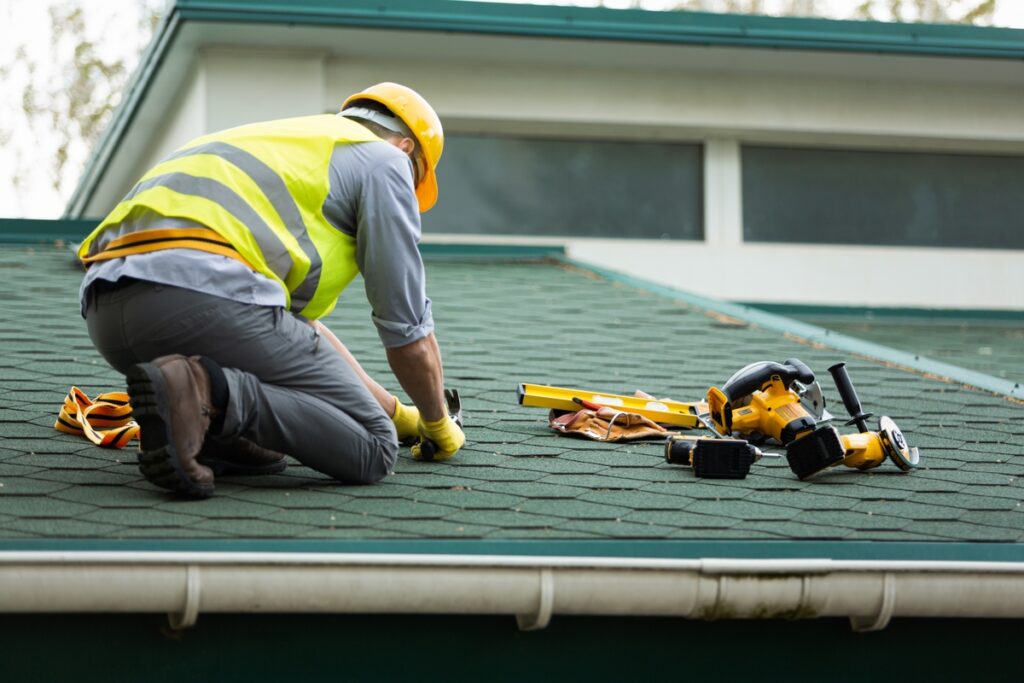
Not every damaged roof needs complete replacement. A localized issue may only require a targeted repair. However, widespread damage can change the answer.
A few damaged shingles may represent a limited problem. On the other hand, widespread curling, cracking, repeated leaks, or failing roof components can indicate broader deterioration.
The question of how to tell if you need a new roof becomes easier when several factors are considered together. Age, damage level, repair history, material condition, and moisture problems all matter.
Repair may make sense when:
A small area has damage, the roof remains structurally sound, and most materials still perform well.
Replacement may make more sense when:
Large areas show deterioration, leaks keep returning, or the roof has reached the later part of its expected life.
Therefore, avoid judging a roof from one symptom alone. A complete assessment provides better context and helps separate a repairable issue from a roof nearing the end of its useful life.
5. Pay Attention After Storms and Severe Weather
Roof conditions can be altered by a storm rapidly. Winds can lead to shingles coming loose, while hail can affect the surfaces of the roof. Rain can reveal problems on the roof that would have otherwise been dry. But the problem is that a roof can become unsafe when wet or damaged.
A roof can also hide damage from storms. The roof can appear in good condition while there is some kind of damage under the surface. FEMA states that some components of roofs that are failing may not be seen.
6. Use This Simple Roof Health Guide
Roof condition becomes easier to understand when common warning signs are grouped together. The table below offers a simple reference without treating any single symptom as a final diagnosis. This guide does not replace a professional assessment. Instead, it helps homeowners organize what they see and understand why different signs matter.
7. Consider Location, Climate, and Roof Exposure
A roof does not age in isolation. Climate and surroundings can affect how quickly roofing materials wear. Strong sunlight, heavy rain, wind, snow, ice, humidity, and temperature changes can all influence roof performance.
That means search terms such as new roof Manhattan, NY or residential roof replacement Queens NY may describe local needs, but location alone cannot determine roof condition.
8. Build a Simple Long-Term Roof Maintenance Habit
Roof care becomes easier when it becomes part of normal home maintenance. Instead of waiting for a ceiling stain, keep track of the roof throughout the year. An annual inspection can provide a useful baseline. Additional attention makes sense after major storms or when new signs appear. FEMA specifically recommends yearly inspection of roof surfaces for wear, ponding, and damage. The same principle applies to roof repair services. A service label does not explain whether a particular roof needs a small repair or larger work. The roof’s actual condition provides a meaningful answer.
The signs you need a roof replacement become clearer when changes are tracked over time. Repeated repairs in the same area can provide useful context. So can widespread material deterioration.
A Roof’s Story Becomes Clearer With Time
A roof gives homeowners clues long before it reaches a serious failure. Missing shingles, stains, drainage issues, aging materials, and storm damage each tell part of that story. Paying attention to those clues can protect the home and reduce unexpected repair costs. For homeowners researching roofing needs, Benny’s Contracting Inc may appear among local search results, but the same basic evaluation principles apply to any home.
FAQs
1. How often should a roof be inspected?
A yearly inspection provides a useful baseline for roof condition. Additional inspections may make sense after major storms or when leaks, missing materials, or visible damage appear.
2. Does a small leak always mean roof replacement?
No. A small, localized leak may come from one damaged area or roof component. However, repeated leaks can signal wider deterioration that deserves a closer assessment.
3. How long does a typical roof last?
Roof lifespan varies by material, climate, installation quality, and maintenance. The U.S. Department of Energy gives a broad range of about 20 to 50 years.
4. What are common signs of roof damage?
Common signs include missing or damaged shingles, ceiling stains, damaged flashing, drainage problems, sagging areas, and repeated moisture.
5. Can regular maintenance really extend roof life?
Regular maintenance can help identify problems early and reduce avoidable damage. The NRCA promotes proactive inspection and maintenance as ways to support the service life of asphalt shingle roof systems.