Flat roofs are widely used in commercial buildings and modern residential properties due to their clean design and functional space. However, flat roofs face unique challenges compared to sloped systems, especially when it comes to drainage, weather exposure, and long-term durability. When issues arise, property owners often struggle to decide between flat roof repair vs replacement.
Making the right decision requires understanding the condition of the roof, the type of damage present, and the long-term cost implications. Experienced contractors like Benny’s Contracting Inc help property owners evaluate both options carefully to protect their investment and avoid unnecessary expenses. Understanding flat roof repair vs replacement is important for avoiding unnecessary roofing costs and long-term damage
Understanding Flat Roof Systems
Flat roofs are not completely flat. They are designed with a slight slope to allow water drainage. Common materials include modified bitumen, TPO, EPDM, and built-up roofing systems. Each material behaves differently under weather stress, which directly affects repair and replacement decisions.
The performance of a flat roof depends heavily on proper installation, routine maintenance, and timely repairs.
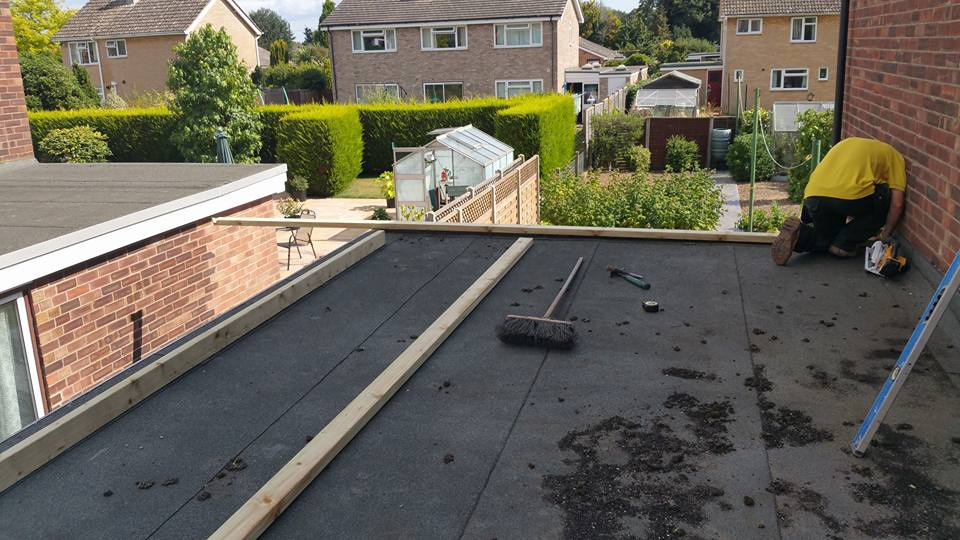
Signs a Flat Roof Needs Repair
Recognizing the signs flat roof needs repair early can prevent widespread damage. Minor issues often develop gradually and may not be immediately visible from ground level. Choosing between flat roof repair vs replacement depends on damage severity and roof lifespan.
Common indicators include localized leaks, surface cracks, blistering membranes, loose seams, and clogged drains. When these problems are limited in scope and the underlying structure remains sound, repairs are usually sufficient.
When to Replace a Flat Roof
Knowing when to replace a flat roof is critical for long-term cost control. Replacement is typically recommended when damage is widespread, recurring, or structural in nature.
If repairs are frequent and no longer effective, replacement becomes the more economical and reliable solution. Age is also a major factor, especially when the roof has reached or exceeded its expected service life.

Flat Roof Lifespan Factors That Influence Decisions
Several flat roof lifespan factors determine whether repair or replacement is the better option. These include roofing material type, installation quality, maintenance history, climate exposure, and foot traffic.
A well-maintained flat roof can last decades, while neglected systems deteriorate much faster.
Flat Roof Damage Assessment by Professionals
A professional flat roof damage assessment provides clarity before making a decision. Contractors evaluate surface conditions, membrane integrity, insulation performance, and structural components.
This assessment helps distinguish between cosmetic damage and deeper structural concerns that require more extensive solutions.
Flat Roof Leak Repair Methods Explained
Effective flat roof leak repair methods depend on the source of the leak. Repairs may involve sealing seams, patching membranes, reinforcing flashing, or correcting drainage problems.
Targeted repairs are most successful when leaks are isolated and caught early.
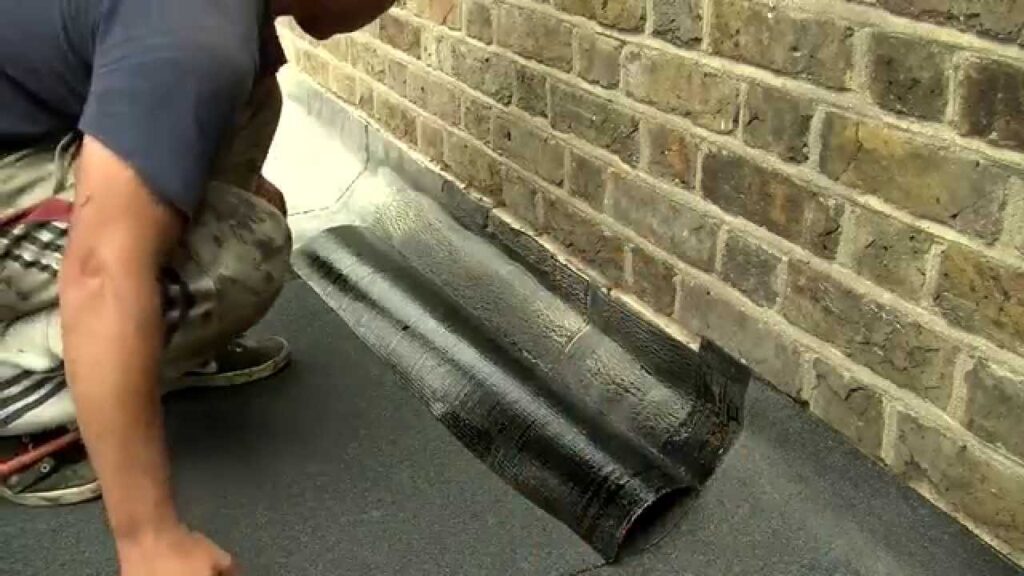
Evaluating Flat Roof Membrane Condition
The flat roof membrane condition is one of the most important decision factors. If the membrane remains flexible, intact, and well-adhered, repairs are often viable.
However, widespread cracking, shrinkage, or separation indicates material failure, which usually points toward replacement.
Structural Flat Roof Issues That Require Replacement
Structural flat roof issues such as sagging decking, compromised insulation, or water-damaged framing cannot be resolved with surface repairs alone.
In these cases, replacement allows contractors to correct underlying problems and restore full structural integrity.
Flat Roof Maintenance Requirements and Cost Savings
Meeting flat roof maintenance requirements significantly extends roof life and reduces long-term costs. Routine inspections, debris removal, and prompt repairs prevent small issues from escalating.
Property owners who maintain their roofs consistently are far less likely to face premature replacement.
The Importance of the Flat Roof Inspection Process
A thorough flat roof inspection process identifies weaknesses before they become emergencies. Inspections typically include drainage evaluation, membrane testing, seam inspection, and moisture detection.
Regular inspections provide valuable documentation and support proactive decision-making.
Weather Impact on Flat Roofs
The weather impact on flat roofs is often more severe than on sloped systems. Standing water, UV exposure, temperature fluctuations, and heavy storms accelerate wear.
Understanding climate-related stress helps determine whether repairs will be effective or if replacement is more practical.
Advanced Flat Roofing Technology and Modern Solutions
Advanced flat roofing technology has improved durability, energy efficiency, and leak resistance. Modern membranes are designed to withstand extreme conditions and reduce maintenance needs.
Upgrading to newer systems during replacement can deliver long-term performance benefits.
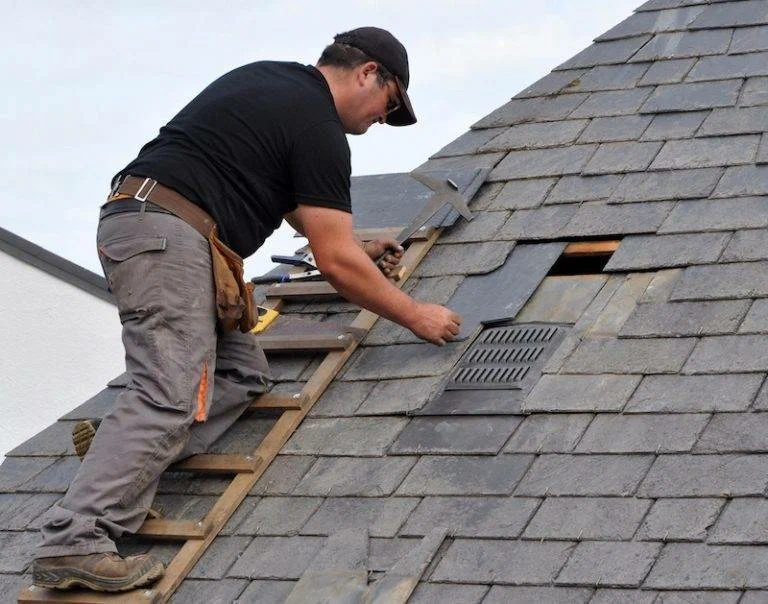
Choosing Durable Flat Roof Materials
Selecting durable flat roof materials plays a major role in roof longevity. High-quality membranes resist punctures, UV degradation, and moisture infiltration more effectively than older materials.
Material choice should align with building use, climate, and budget.
Sustainable Roofing Solutions for the Future
Many property owners now prioritize sustainable roofing solutions that reduce environmental impact and energy costs. Cool roofs, reflective membranes, and recyclable materials support sustainability goals.
Replacement projects offer the best opportunity to integrate these solutions.
Modern Roofing Installation Standards Matter
Following modern roofing installation standards ensures proper drainage, insulation performance, and long-term reliability. Poor installation is one of the leading causes of premature roof failure.
Professional contractors adhere strictly to industry standards and manufacturer specifications.
Future Ready Flat Roof Systems and Long-Term Value
Investing in future ready flat roof systems prepares buildings for changing climate demands and energy efficiency requirements. These systems are designed for longevity, adaptability, and reduced maintenance.
Replacement is often the best choice when planning long-term ownership or resale.
Repair vs Replacement: Making the Smart Choice
The decision between flat roof repair vs replacement should be based on condition, cost, and long-term goals rather than short-term savings. Repairs are ideal for limited, manageable damage, while replacement provides peace of mind when systems are nearing the end of their lifecycle.
Professional guidance ensures the right solution is chosen for each unique situation.
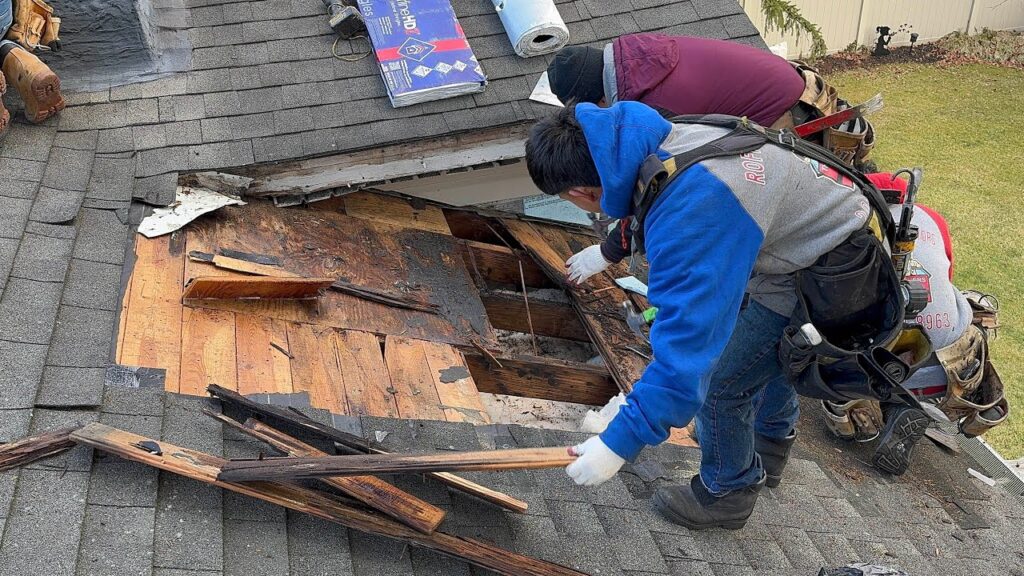
Why Professional Roofing Expertise Matters
Flat roofing systems require specialized knowledge. Professional contractors bring experience, diagnostic accuracy, and high-quality materials to every project.
Working with trusted experts minimizes risk and maximizes return on investment.
Final Thoughts
Choosing between flat roof repair vs replacement is a critical decision that impacts safety, cost, and long-term property value. Understanding roof condition, damage extent, and future needs allows property owners to make confident, informed choices.
With professional assessment and quality workmanship, flat roofs can remain durable, efficient, and dependable for years to come. That’s why flat roof repair vs replacement should always be decided after a professional inspection.
How do I know if my flat roof needs repair or replacement?
A professional inspection can determine whether damage is localized or structural, which guides the decision.
Is flat roof repair always cheaper than replacement?
Repairs are cheaper initially, but repeated repairs may cost more over time than a single replacement.
How long does a flat roof typically last?
Depending on materials and maintenance, flat roofs can last 20 to 40 years.
Can a flat roof be replaced with better materials than before?
Yes. Modern materials offer improved durability, efficiency, and weather resistance.