
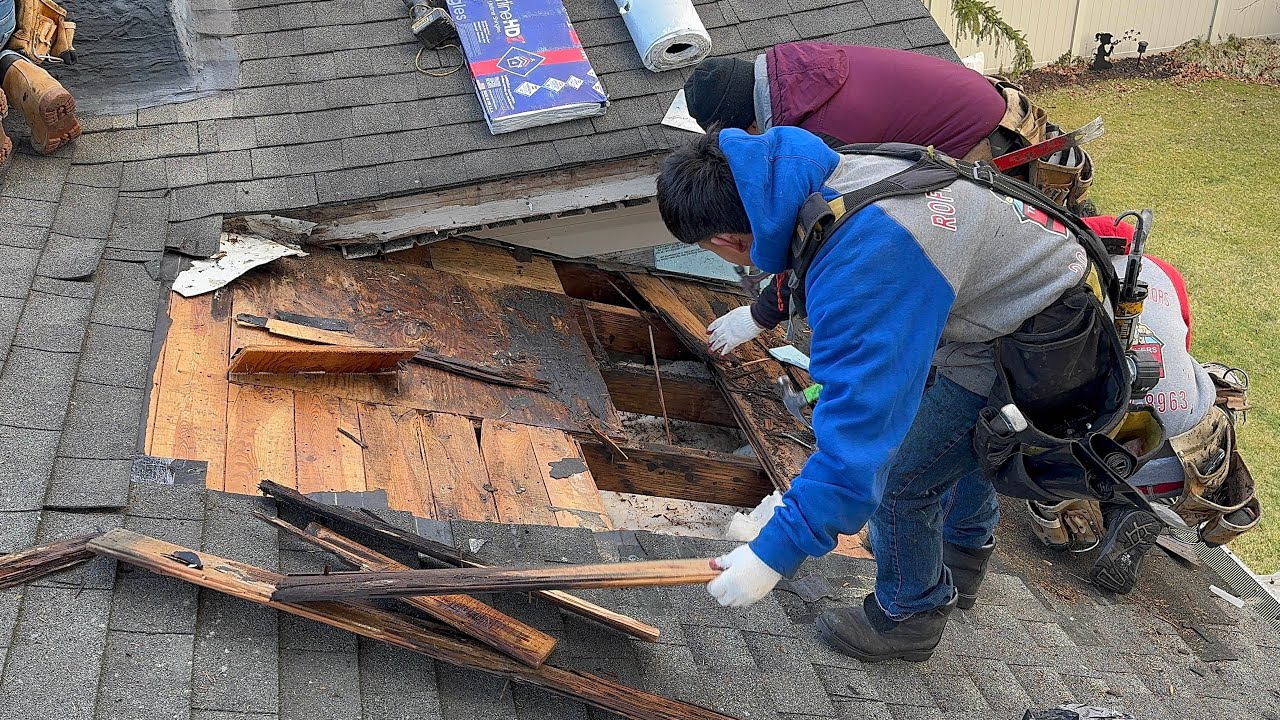
A roof does more than shield a house from rain or sun; it supports the entire roofing structure, maintains indoor comfort, and prevents structural deterioration over time. When roofing materials fail, the damage rarely stays isolated. Moisture intrusion, insulation damage, and interior repairs often follow.
Many homeowners assume roofing problems happen suddenly, but in reality, most failures develop slowly due to material stress, environmental exposure, and installation issues. Whether you own a single-family roof for a house or manage multiple roofing house structures, identifying early warning signs can prevent emergency repairs and expensive replacements. Understanding what causes roof material failure empowers homeowners to take proactive steps instead of reacting to damage after it spreads.
How Weather Exposure Leads to Roof Material Failure
One of the most common causes of roof material failure is prolonged exposure to harsh weather conditions. Roofing materials are designed to endure rain, heat, wind, and seasonal changes, but constant stress eventually weakens even the strongest systems. Extreme temperature fluctuations cause roofing materials to expand and contract repeatedly, leading to cracks, warping, and loss of protective layers.
In regions with frequent storms, wind uplift can loosen shingles and compromise the roofing structure. Heavy rainfall may exploit minor vulnerabilities, allowing moisture to seep beneath the surface. Over time, this trapped moisture degrades underlayment and accelerates material breakdown. Without access to high-quality roof repair services, small weather-related issues can quickly escalate into structural damage requiring extensive intervention.
Ultraviolet exposure is another silent contributor. Continuous sunlight breaks down asphalt, adhesives, and protective coatings, reducing a roof’s ability to repel water. This degradation weakens the overall roofing house system and shortens its lifespan significantly if not addressed promptly.
Poor Installation and Roofing Structure Defects
Even premium materials can fail prematurely if installed incorrectly. Poor installation remains a leading contributor to roof material failure across residential and commercial properties. Misaligned shingles, improper fastening, and inadequate sealing around penetrations create vulnerabilities that worsen over time.
When the roofing structure is improperly designed or supported, materials bear uneven loads, leading to sagging, cracking, and separation. In many cases, homeowners only notice visible damage years after installation, long after warranties have expired. That is why relying on expert roof repair services in Brooklyn is critical for identifying hidden installation defects before they compromise the entire roofing system.
Ventilation errors also play a major role. Without proper airflow, heat and moisture become trapped in attic spaces, accelerating material decay from beneath. This internal stress often causes roof material failure even when the exterior appears intact. Correcting these structural and airflow issues early helps preserve roofing longevity and prevents unexpected emergency repairs.

Moisture Intrusion and Water Damage Risks
Water intrusion is one of the most destructive forces affecting any roof for a house. Even minor leaks can silently damage insulation, decking, and support beams. Over time, moisture weakens materials, fosters mold growth, and reduces the roof’s ability to withstand future weather events.
Clogged gutters and poor drainage systems often redirect water back onto the roof surface. Standing water increases pressure on seams and flashing, leading to gradual material breakdown. Homes that lack timely maintenance often experience widespread roof material failure because water has multiple points of entry.
Professional Roofing Services in Staten Island help identify early moisture-related vulnerabilities before they result in extensive damage. Inspections can detect compromised flashing, deteriorated seals, and saturated materials that may not be visible from ground level. Addressing these risks early prevents structural deterioration and reduces long-term repair costs.
Aging Materials and Delayed Emergency Repairs
All roofing materials have a finite lifespan. Asphalt shingles, metal panels, tiles, and membranes degrade at different rates depending on quality, climate, and maintenance. As materials age, they lose flexibility, adhesion, and protective properties, making them more susceptible to failure.
Homeowners often delay emergency repairs due to cost concerns or lack of visible damage. Unfortunately, postponing repairs accelerates deterioration and increases replacement costs. Minor cracks evolve into leaks, loose shingles become wind hazards, and weakened materials fail during storms.
Regular inspections help determine when a roofing house system is approaching the end of its service life. Proactive repairs extend longevity, while strategic replacements prevent sudden failures that disrupt daily life and increase insurance claims. Emergency repairs should never be postponed once warning signs appear.
Why Roof Material Failure Impacts the Entire Home
Roof material failure does not occur in isolation. Once roofing materials deteriorate, the consequences spread throughout the structure. Water infiltration damages ceilings, walls, electrical systems, and insulation. Poor insulation efficiency raises energy costs and reduces indoor comfort.
Structural weakening can compromise safety, especially during severe weather events. In extreme cases, unchecked deterioration leads to partial roof collapse, posing serious risks to occupants and belongings. Addressing roofing issues early preserves property value and ensures long-term safety.
For homeowners planning moves, renovations, or property sales, roof integrity plays a critical role in inspections and valuations. A well-maintained roof signals responsible ownership, while visible failure raises concerns for buyers and insurers alike.
Preventive Maintenance Strategies That Reduce Failure Risk
Preventive maintenance remains the most effective way to reduce roof material failure. Annual inspections identify vulnerabilities early, allowing for affordable repairs instead of costly replacements. Cleaning debris, clearing gutters, and addressing minor damage preserves material integrity.
Homeowners should also monitor attic ventilation, insulation performance, and drainage efficiency. These interconnected systems influence roofing health more than most people realize. Professional assessments provide a comprehensive view of roofing structure condition and performance.
Investing in routine care protects your roof for a house against environmental stress, aging, and unexpected emergencies. Long-term maintenance saves money, enhances safety, and ensures consistent protection for your home.

Final Thoughts
Roof material failure is rarely sudden. It develops over time due to environmental stress, structural weaknesses, and neglected maintenance. By understanding the most common causes and taking proactive steps, homeowners can protect their roofing structure and avoid costly disruptions.
If your roof shows signs of aging, moisture intrusion, or damage, addressing the issue early preserves safety and long-term value. Investing in professional evaluations and timely repairs ensures your roofing house system continues to perform as intended.
FAQs
What is roof material failure?
Roof material failure occurs when roofing components lose their ability to protect the structure due to aging, weather exposure, poor installation, or moisture damage.
How can I tell if my roof is failing?
Common signs include leaks, missing shingles, sagging areas, water stains on ceilings, and increased energy bills caused by insulation damage.
Can small roof problems wait to be fixed?
Delaying repairs often worsens damage. Small issues frequently develop into larger structural problems requiring costly emergency repairs.
How often should a roof be inspected?
Most experts recommend professional inspections at least once per year and after major storms to catch early signs of material failure.