
The seven warning signs you need emergency roof repair are active leaks, water stains, missing shingles, sagging sections, damaged flashing, storm or fallen-tree damage, and rising energy bills.
Each signals that water intrusion is already threatening your roof decking and insulation. If you notice any of them, call a licensed pro for Smart Flat Roof Repair or emergency roof repair NYC homeowners trust before a minor problem becomes a costly structural one.
What Is Emergency Roof Repair?
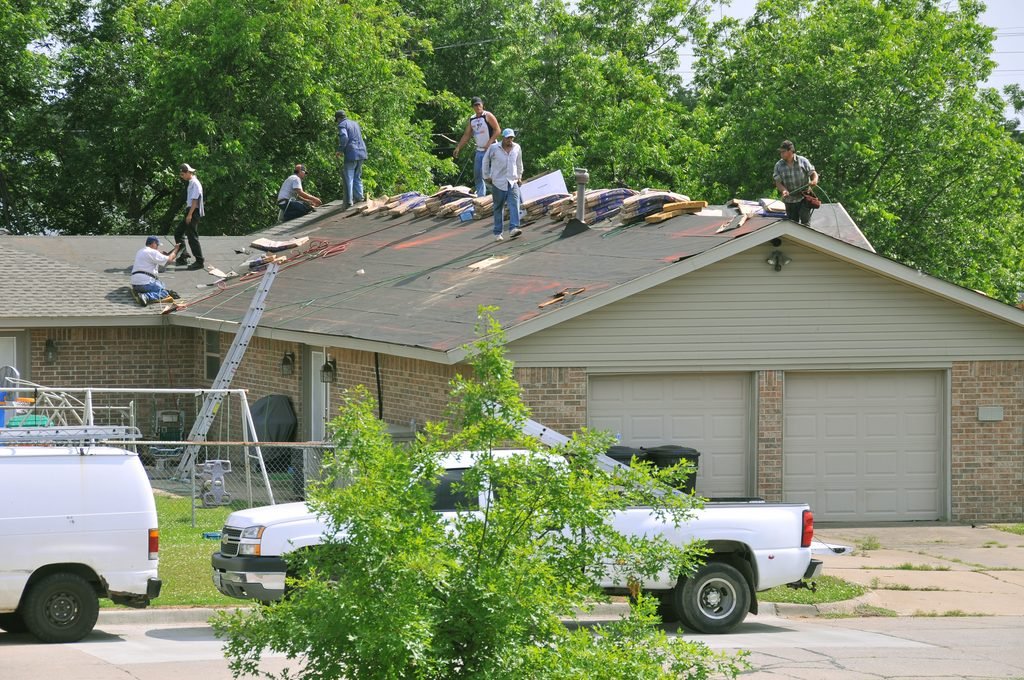
Emergency roof repair is an immediate response that stops active water intrusion after sudden damage from severe weather, falling debris, or structural failure.
Unlike routine roof repair, which can be scheduled, it often starts with protective tarping the same day to secure the roof. Permanent repairs from an Experienced Roof Repair team follow once the structure is assessed.
Common Triggers
Typical triggers include:
- Active leaks
- Fallen branches
- Missing roofing sections
- Anything that compromises roof stability
The goal is to limit damage to insulation, drywall, and framing until a lasting fix is in place.
Damaged Flashing Around Chimneys, Skylights, or Vents
Flashing seals the joints around chimneys, skylights, and vents, which is why failures here cause so many leaks.
Why Flashing Fails
Metal flashing can crack, rust, or lift after years of expansion and contraction, and salt-laden coastal air speeds up corrosion. Worn pipe boot seals and loose valley flashing are other common culprits.
What a Proper Fix Looks Like
Because water often travels before it appears indoors, a good Roofing Company Staten Island traces the leak to its source rather than patching the symptom.
Prompt emergency roof repair on flashing protects the roof decking beneath your shingles.
Fallen Trees or Storm Damage
Nor’easters, hail, and falling limbs can compromise a roof within minutes. A branch may puncture the decking, while lifted shingles and bent flashing are harder to spot from the ground.
What to Do After a Storm
After a storm, look for debris, damaged gutters, and exposed material, but stay off the roof.
Photograph everything for your insurance claim, since policies typically cover sudden storm damage.
What Happens Next
The roof repair New York homeowners schedule right after severe weather usually starts with protective tarping, which keeps rainwater out until permanent repairs begin.
Active Roof Leaks During or After Rain
An active leak is the clearest emergency sign. Even a slow drip soaks attic insulation, drywall, and wooden framing long before damage becomes visible.
Signs to Watch For
Watch for:
- Dripping water
- Damp insulation
- Moisture that returns after every rainfall
Why Leaks Get Worse
Freeze-thaw cycles and ice dams can force water beneath shingles and worsen leaks each spring.
Safety First
If water is near electrical fixtures, keep clear and call a roofer immediately.
Buckets and moved valuables help for now, but only a repair at the source stops the leak.
Water Stains on Ceilings or Walls
Brown or yellow rings on a ceiling usually mean water has been entering for a while. Peeling paint, bubbling drywall, damp patches, and a musty odor after heavy rain tell the same story.
Why the Stain Is Not the Source
The entry point is often not directly above the stain, because moisture travels along attic framing before it surfaces. Left alone, it invites mold and rot.
When to Act
If a stain is spreading, treat it as an emergency and book a professional inspection to find the hidden source before the ceiling gives way.
Missing, Cracked, or Blown-Off Shingles
Shingles shield the underlayment and roof decking from rain, wind, and UV exposure.
Signs of Shingle Damage
After wind or hail, scan from the ground for bare patches or shingles scattered across the lawn.
Curled or cracked tabs and heavy granules in your gutters point to advanced wear, especially on asphalt roofs nearing 20 to 30 years.
Why Speed Matters
Even a few missing pieces let rainwater reach the decking.
Quick emergency roof repair keeps a simple shingle replacement from becoming widespread moisture damage.
Sagging Roof Sections
A healthy roofline looks straight. A dip means moisture has likely weakened the roof decking, rotted the sheathing, or stressed the rafters, often after long-term water intrusion.
Other Warning Signs
Creaking sounds, ceiling cracks, and doors or windows that suddenly stick can signal the same trouble.
What to Do Right Away
Sagging can progress quickly toward partial roof failure, so keep people out from underneath and call a pro at once.
Depending on severity, roof repair installation may involve replacing sheathing and reinforcing supports before new roofing goes back on.
Unexpected Increase in Energy Bills
When heating or cooling costs climb for no clear reason, your roof may be the culprit.
How Roof Damage Raises Your Bills
Damaged materials and moisture-soaked insulation let conditioned air escape, so your HVAC system works harder. Poor attic ventilation adds to the problem by trapping moisture.
When It Becomes an Emergency
A higher bill alone is not proof of an emergency, but paired with leaks, stains, or recent storm damage it points to hidden roof damage.
An inspection can confirm whether urgent repair is needed to restore performance and efficiency.
How to Choose the Best Emergency Roof Repair Company Near You
The best roofing companies New York homeowners rely on share a few traits.
Credentials and Estimates
Confirm they are licensed, insured, and bonded, and ask for an itemized written estimate before work begins.
Service and Warranty
Look for 24/7 emergency response, a written workmanship warranty, and in-house crews rather than subcontractors.
Permits and Reputation
A reputable firm also handles NYC Department of Buildings permits, required when more than 25% of a roof is replaced within twelve months.
Check reviews, request references, and avoid anyone pushing extras. For emergency roof repair NYC residents can trust, honesty matters as much as speed.
Frequently Asked Questions
Does every leak need emergency roof repair?
Not every leak is a crisis, but any active leak needs a prompt inspection before water reaches framing.
Does insurance cover it?
Policies usually cover sudden storm damage, not age or neglect, so photograph everything and call your insurer first.
Repair or replace?
Repair suits isolated damage on roofs under 15–20 years old. Replacement fits widespread failure or repairs nearing 50% of replacement cost.
Are there signs before a collapse?
Yes: a sagging roofline, ceiling cracks, and creaking sounds. Schedule an inspection immediately.