
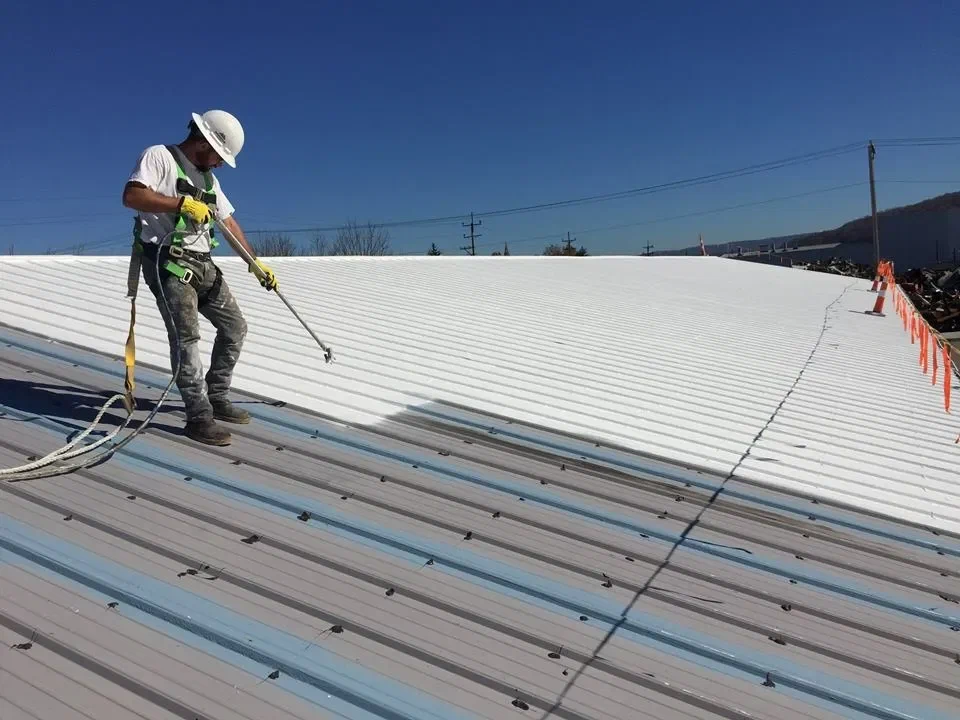
Water finds every weak spot on a roof. Roof waterproofing stops it by applying a membrane or coating that seals seams, flashing, and penetrations against rain, snow, and ponding water.
For flat and low-slope roofs, it extends service life and prevents leaks. This guide explains methods, benefits, and expert tips, including Professional Waterproofing Services in NY.
What Is Roof Waterproofing?
Roof waterproofing is the process of applying waterproof membranes, coatings, or sealants to a roof so water cannot reach the structure below.
It works best on flat and low-slope roofs, where rain lingers and seams are more exposed.
Unlike a temporary patch, the Best Roof Waterproofing protects the whole roof assembly. That includes the surface, flashing, drains, and parapet-wall connections. Good waterproofing services treat these details as carefully as the main roof surface.
Common Roof Waterproofing Methods
The right method depends on the existing roof material, slope, drainage, and condition. Most roof waterproofing in NY comes down to four options: waterproofing membranes, liquid-applied systems, modified bitumen, and roof coatings.
Liquid-applied systems cure into a seamless layer, which suits penetrations and irregular shapes. Modified bitumen adds multiple protective layers.
A professional inspection by a Roofing Company Staten Island should confirm which option fits before any work begins.
Waterproofing Membranes
Membranes form a physical barrier between the roof surface and water. EPDM is flexible, resists UV damage, and can last around 30 years.
TPO offers heat-welded seams and a reflective surface. PVC adds chemical resistance for industrial roofs.
Installation matters most. Seams, edges, penetrations, and transitions must be sealed properly, or even a premium membrane will leak.
Roof Waterproof Coatings
A compatible roof coating adds a protective layer over an existing roof without a full replacement. Acrylic and silicone-based formulas are the most common.
Coatings guard against UV exposure and can improve energy efficiency. Most last 5 to 10 years, so schedule an annual inspection and recoat before the surface thins.
Coatings only work on sound surfaces, so the roof must be cleaned and prepared first.
Flat Roof Waterproofing
Flat roofs have little slope, so even minor drainage problems leave water standing. Ponding water that does not drain within 48 hours signals trouble.
Flat roof waterproofing starts with inspecting the membrane and roof drains. Seams, flashing, skylights, and penetrations are then sealed before a new membrane or coating goes on.
In NYC, parapet walls and rooftop equipment add more entry points, so roof waterproofing in NY needs careful detailing.
Roof Waterproofing vs. Roof Repair
Repair fixes a specific problem, such as a puncture, failed seam, or damaged flashing. Waterproofing applies a continuous protective layer across the roof to prevent future leaks.
Many jobs need both. Roof repair and waterproofing work together: fix the damage first, then waterproof to protect the repair.
If deterioration is widespread, replacement may be the better call.
Signs Your Roof May Need Waterproofing
Watch for these warning signs:
- Recurring leaks after previous repairs
- Standing water that lingers after rain
- Cracks, blisters, or peeling coating
- Damaged flashing around vents and walls
- Ceiling stains or damp upper-floor walls
- Open or weakened seams
Any of these means water is getting past the roof’s protective layer.
How Professional Roof Waterproofing Works
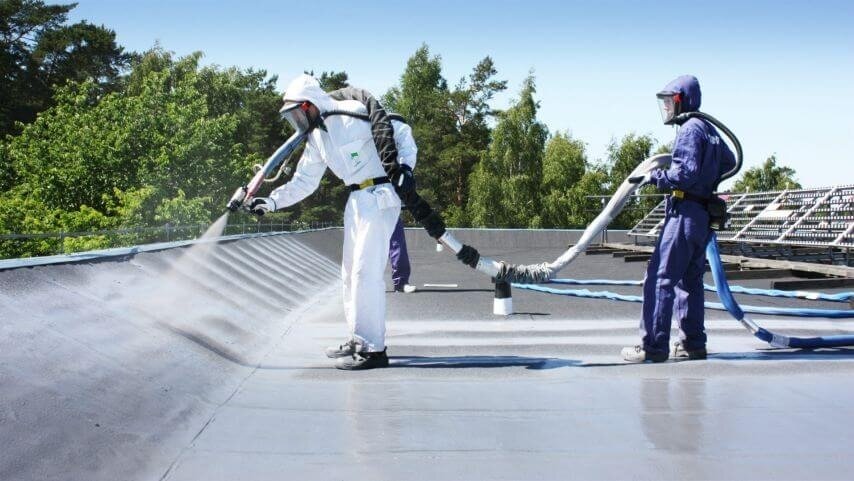
A reliable contractor follows a clear sequence:
- Inspect the roof, drainage, seams, and flashing.
- Assess damage and mark problem areas.
- Prepare the surface by cleaning and removing loose material.
- Repair cracks, seams, and flashing.
- Apply the membrane or coating per manufacturer’s specifications.
- Finish details at edges, drains, and parapet connections.
- Run a final inspection for missed areas.
How to Maintain a Waterproofed Roof
Maintenance protects your investment and keeps small flaws from becoming leaks:
- Keep roof drains and drainage paths clear
- Inspect twice a year and after severe weather
- Check flashing and seams regularly
- Address ponding water promptly
- Limit rooftop traffic
- Inspect around HVAC equipment and penetrations
- Repair damaged materials early
Frequently Asked Questions
Is roof waterproofing worth it?
Yes, when the roof is sound and needs added protection against leaks and ponding water.
Can waterproofing stop a roof leak?
Often, if the cause is a seam or worn surface. Find the source of the leak first.
How long does a roof coating last?
Typically 5 to 10 years, depending on sun exposure and foot traffic.
Does waterproofing replace roof replacement?
Not always. Severely deteriorated roofs may still need replacement.