A roof is more than just a cover for your home. It protects your family and belongings from the elements while adding to your home’s overall look. Choosing the right roofing material in Brooklyn can be challenging, with options ranging from affordable asphalt shingles to long-lasting metal and elegant tile roofs.
Each material has its own lifespan, maintenance needs, and performance under Brooklyn’s mix of cold winters, humid summers, and occasional storms. At Benny’s Contracting, we offer expert guidance on selecting the best roofing solution for your home, helping you balance cost, durability, and performance in Brooklyn’s unique climate.
In this article, we’ll compare asphalt, metal, and tile roofing to see which option truly lasts the longest in this climate.
Overview of Roofing Materials
Different roofing materials offer varying levels of durability, maintenance, and resistance to the elements, making the decision a key part of any home investment.
Asphalt Shingles
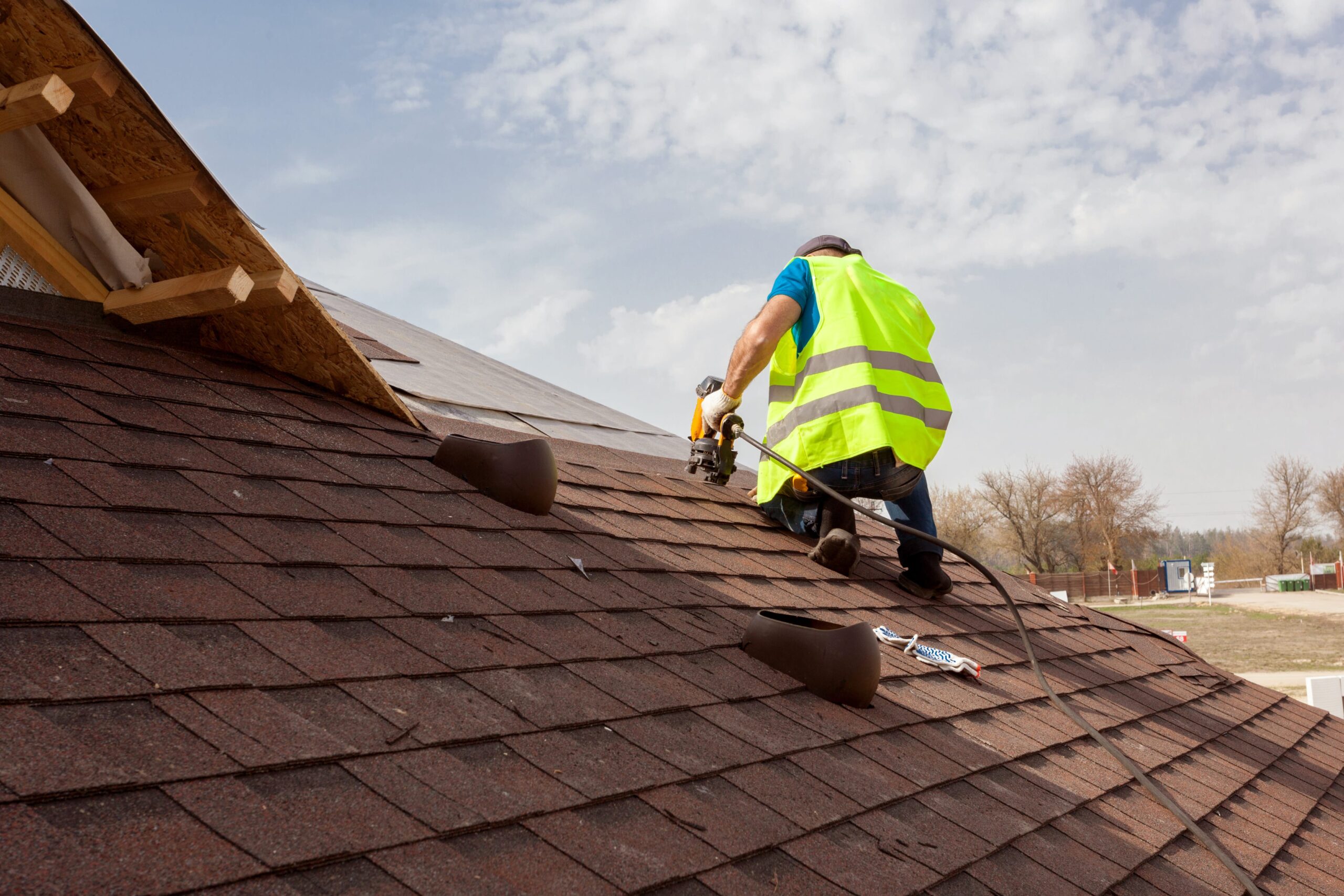
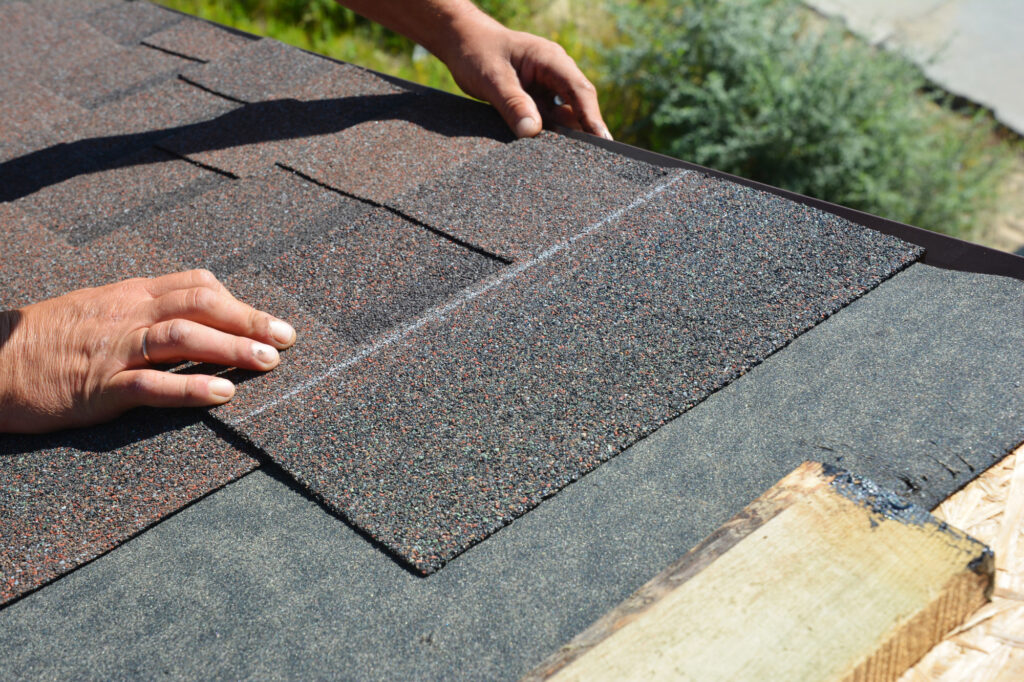
Asphalt shingles are the most common roofing material in the U.S., known for their affordability and ease of installation. Made from a fiberglass or organic base coated with asphalt and mineral granules, they come in a variety of colors and styles.
When installed by an expert roofing service provider, typical asphalt shingles can last 15 to 30 years. In Brooklyn, they must handle snow, ice, and summer heat, so homeowners should inspect them regularly to prevent curling or cracking from seasonal freeze-thaw cycles.
Metal Roofing
Metal roofing includes steel, aluminum, copper, and zinc. These roofs are durable, lightweight, and resistant to fire, wind, and snow. They can last 40 to 70 years or more when properly maintained.
In Brooklyn, metal roofs excel at shedding snow in winter and reflecting sunlight in the hot, humid summers, reducing heat buildup. Though more expensive upfront, their low maintenance and long lifespan make them a reliable choice for this mixed climate.
Tile Roofing
Clay roof tiles, concrete roof tiles, or slate roof tiles are prized for their beauty and durability. They are heavy but extremely long-lasting, often exceeding 50 years and in some cases lasting a century.
Tile roofs are resistant to fire and rot and perform well in hot climates. However, they require proper installation and occasional maintenance to prevent cracking or shifting, and not all homes can support their weight without additional structural support.
Understanding Key Factors that Affect Roof Longevity:
A roof’s lifespan isn’t determined by material alone. Several key factors influence how long it will last and how well it performs under different conditions.
Weather and Climate
Extreme heat, heavy snow, strong winds, or salty coastal air can accelerate wear. Asphalt shingles may curl in high heat, tiles can crack under heavy snow, and metal may corrode near the sea. Choosing a material suited to your climate is critical.
Installation
Even the best roofing materials fail if installed poorly. Misaligned shingles, loose tiles, or insufficient underlayment can lead to leaks and early deterioration. Professional installation is essential for longevity.
Maintenance Habits
Regular inspections, debris removal, and minor repairs prevent small problems from becoming costly damage. Neglecting routine care can shorten a roof’s lifespan significantly.
Material Grade
Premium materials generally last longer than budget options. Higher-quality asphalt, metal, or tile roofing offers better durability, stronger warranties, and resistance to environmental stress.
Roof Design and Ventilation
Steep slopes shed water and snow better, while proper attic ventilation reduces heat and moisture buildup. These design factors can significantly extend the life of any roofing material.
Durability Comparison
Understanding how each roofing material performs over time helps homeowners make smarter choices. Here’s a direct look at lifespan, resistance to elements, and maintenance needs.
A. Asphalt Shingles
- Lifespan: 15–30 years, depending on quality and climate.
- Strengths: Affordable, lightweight, easy to install.
- Weaknesses: Vulnerable to wind damage, granule loss, and extreme heat.
- Maintenance: Requires occasional inspections, moss removal, and shingle replacement after storms.
B. Metal Roofing
- Lifespan: 40–70 years or more.
- Strengths: Highly durable, fire-resistant, excellent wind and snow resistance.
- Weaknesses: Can dent from hail; higher upfront cost.
- Maintenance: Minimal. Periodic inspections for corrosion or fastener issues.
C. Tile Roofing
- Lifespan: 50–100 years, depending on material (clay, concrete, slate).
- Strengths: Extremely long-lasting, fireproof, low water absorption.
- Weaknesses: Heavy. May require additional structural support; tiles can crack under impact.
- Maintenance: Occasional tile replacement and inspection of underlayment; gutters must be kept clear.
Quick Comparison Table
| Material | Lifespan | Weather Resistance | Maintenance | Cost Range |
| Asphalt Shingles | 15–30 years | Moderate | Moderate | Low–Medium |
| Metal | 40–70+ years | High | Low | Medium–High |
| Tile | 50–100 years | Very High | Low–Moderate | High |
Cost vs Longevity
When choosing a roof, the initial price is only part of the story. Longevity, maintenance, and replacement frequency often have a bigger impact on long-term value in Brooklyn’s climate.
Asphalt Shingles
- Cost: Generally, the most affordable option.
- Maintenance: Moderate. Repairs after storms and occasional shingle replacement.
- Value: Budget-friendly upfront but typically requires replacement every 20–30 years, which adds to lifetime costs.
Metal Roofing
- Cost: Higher than asphalt but moderate for long-term investment.
- Maintenance: Low. Periodic inspections and minor repairs.
- Value: Higher initial cost is balanced by a long lifespan, often lasting decades without major replacements.
Tile Roofing
- Cost: Typically the most expensive option.
- Maintenance: Low to moderate. Tile replacement and underlayment inspections.
- Value: High upfront cost, but very long lifespan (50–100 years) makes it a strong long-term investment, especially in hot or fire-prone areas.
Cost-Effectiveness Overview
| Material | Initial Cost | Lifespan | Replacement Frequency (60 years) | Long-Term Value |
| Asphalt Shingles | Low | 15–30 years | 2 | Moderate |
| Metal | Medium-High | 40–70+ years | 0–1 | High |
| Tile | High | 50–100 years | 0–1 | Very High |
Pros and Cons Summary
To help Brooklyn homeowners quickly compare, here is a summary of the advantages and drawbacks of asphalt, metal, and tile roofing in the context of local weather and conditions.
Asphalt Shingles
Pros:
- Affordable upfront cost.
- Lightweight and easy to install on most Brooklyn homes.
- Available in a variety of colors and styles.
Cons:
- Moderate lifespan (15–30 years), shorter under freeze-thaw cycles and snow accumulation.
- Can curl, crack, or lose granules after harsh winter weather.
- Requires more maintenance in areas with seasonal storms.
Metal Roofing
Pros:
- Long-lasting (40–70+ years) and highly durable.
- Excellent resistance to snow, wind, and ice, which is ideal for Brooklyn winters.
- Low maintenance and energy-efficient in hot summers.
Cons:
- Higher upfront cost than asphalt shingles.
- Can dent from hail, falling branches, or debris.
- Requires professional installation for best performance.
Tile Roofing
Pros:
- Extremely long-lasting (50–100 years) with low water absorption.
- Fire-resistant and highly durable in hot or humid weather.
- Adds a premium, elegant aesthetic to homes.
Cons:
- Heavy and some Brooklyn homes may need structural reinforcement.
- Can crack under freeze-thaw cycles or heavy snow.
- Higher installation cost and occasional maintenance required.
Which Roofing Should You Pick as a Brooklyn Resident?
In Brooklyn, your choice depends on budget, home structure, and maintenance preferences. Asphalt shingles are affordable and work well for short-term solutions. Metal roofs offer durability and low upkeep, handling snow and humid summers effectively.
Tile is a premium option for long-lasting performance if your home can support the weight.
Consider your priorities and how long you plan to stay.
For longevity and minimal maintenance, metal or tile is ideal. For cost-conscious homeowners, asphalt shingles provide decent protection with manageable upkeep, making them a practical choice for many Brooklyn residences.
Let Benny’s Contracting Make the Choice for You:
Choosing the right roof for your Brooklyn home can feel overwhelming, but Benny’s Contracting is here to help. We guide you through selecting the roofing material that best fits your budget, style, and local climate, whether it’s asphalt, metal, or tile.
Beyond helping you make the right choice, our team handles the full installation process with professional expertise, ensuring your roof is built to last. Give us a call to let our experts take the guesswork out of roofing and give your home the protection it deserves.
How long does an asphalt roof last?
Asphalt shingles last about 15 to 30 years. Winter snow and freeze-thaw cycles can reduce their lifespan.
Is metal roofing good for winter?
Yes, metal handles snow, ice, and wind very well. It also keeps homes cooler in summer.
Do tile roofs work in cold climates?
Yes, but they need proper installation. Freeze-thaw cycles can cause cracking if moisture gets in.
Which roofing type is easiest to maintain?
Metal roofs are low-maintenance and durable. Asphalt and tile require more regular checks.
How do I choose the right roofing material?
Consider your budget, lifespan, and how much maintenance you can manage. Check how different materials perform in your local climate.
Which roofing material is most cost-effective long-term?
Metal and tile roofs have higher upfront costs but last much longer, reducing replacement frequency. Asphalt shingles are cheaper initially but may need replacement sooner.
Can my Brooklyn home support a tile roof?
Tile roofs are heavy and may require structural reinforcement. A professional inspection can determine if your home can safely handle the weight.
How important is professional installation?
Very important. Poor installation can shorten any roof’s lifespan. Expert installation ensures durability, proper ventilation, and weather resistance.